


Art of VFX talk with Grady Cofer from ILM

- Advertisement -
- Advertisement -

Grady Cofer, Production VFX Supervisor at ILM talks with Art of VFX about the companies work on the third season of The Mandalorian and how he felt returning to the GFFA after working on Attack of the Clones and Revenge of the Sith at the start of his career.

Can you tell us more about the use of ILM StageCraft?

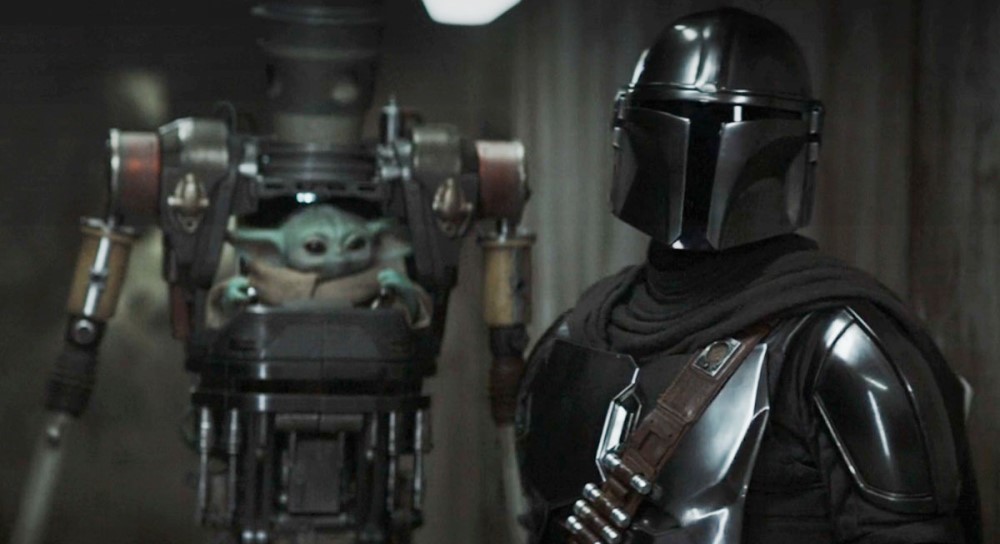
We were very selective about which scenes would best take advantage of ILM’s StageCraft technology. We generally shot all cockpit work in the volume, especially now that Mando is flying in the N-1, with its glass canopy, and Mando in his shiny beskar armor. It’s pretty imperative that you capture that kind of work surrounded by real time imagery in order to get the right lighting and reflections.
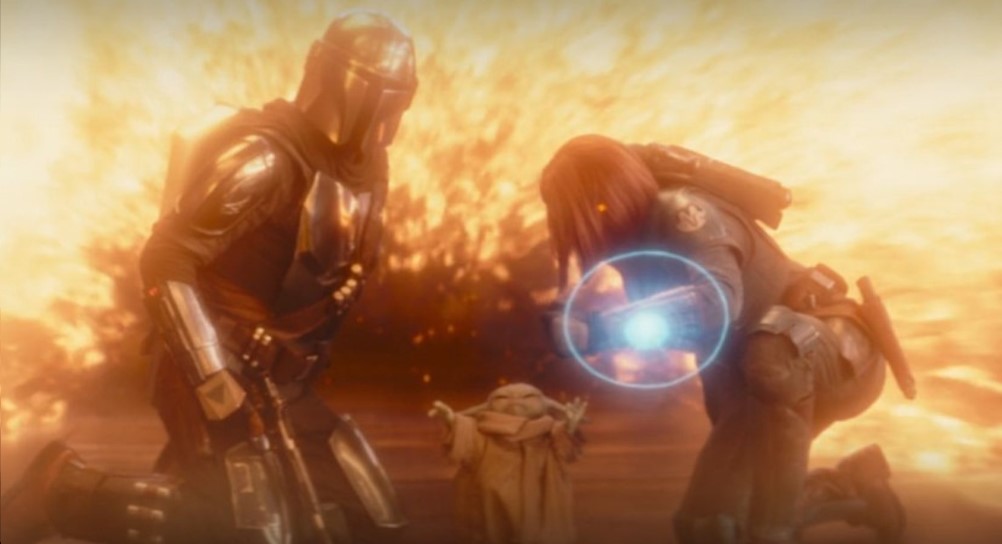
The Imperial Launch Bay, which features as a backdrop to Mando and Bo’s final duel with Moff Gideon, was shot utilizing ILM StageCraft. That environment was so massive there was no way to build it on a stage. But the benefit of shooting that in the volume was that all of the virtual architecture and lights reflected into the scenic floors, and that kind of connection really helps it feel seamless.

But some of my favorite volume work this season was in Isaac Chung’s episode, which is the story about Pershing the scientist. That episode was very Hitchcockian – meticulously plotted, with every shot carefully planned out. And there were many sets that felt like very clever applications of the StageCraft technology.

Pershing’s office space is a great example. We had about six practical desk cubicles in the foreground, and the rest of them were rendered on the screens, populated with digital characters and droids. All of this was happening live, in Unreal. Beyond that, the airtrain terminal, the Amnesty courtyard, and the shipyard were all highly-detailed real time environments that really supported the story.

Mark Newbold
Mark Newbold
Exploring the galaxy since 1978, Mark wrote his first fan fiction in '81 and been a presence online since his first webpage Fanta War in 1996. He currently contributes to ILM.com and SkywalkerSound.com, having previously written for Star Wars Insider, StarWars.com, Star Wars Encyclopedia, Build The Millennium Falcon, Starburst Magazine, Geeky Monkey, TV Film Memorabilia and Model and Collectors Mart. He is a four-time Star Wars Celebration Stage host (the only podcaster to have appeared on every Celebration podcast stage since it began in 2015), the Daily Content Manager of Fantha Tracks and the co-host of Making Tracks, Canon Fodder and Start Your Engines on Fantha Tracks Radio.
- Advertisement -
- Advertisement -

Grady Cofer, Production VFX Supervisor at ILM talks with Art of VFX about the companies work on the third season of The Mandalorian and how he felt returning to the GFFA after working on Attack of the Clones and Revenge of the Sith at the start of his career.

Can you tell us more about the use of ILM StageCraft?

We were very selective about which scenes would best take advantage of ILM’s StageCraft technology. We generally shot all cockpit work in the volume, especially now that Mando is flying in the N-1, with its glass canopy, and Mando in his shiny beskar armor. It’s pretty imperative that you capture that kind of work surrounded by real time imagery in order to get the right lighting and reflections.
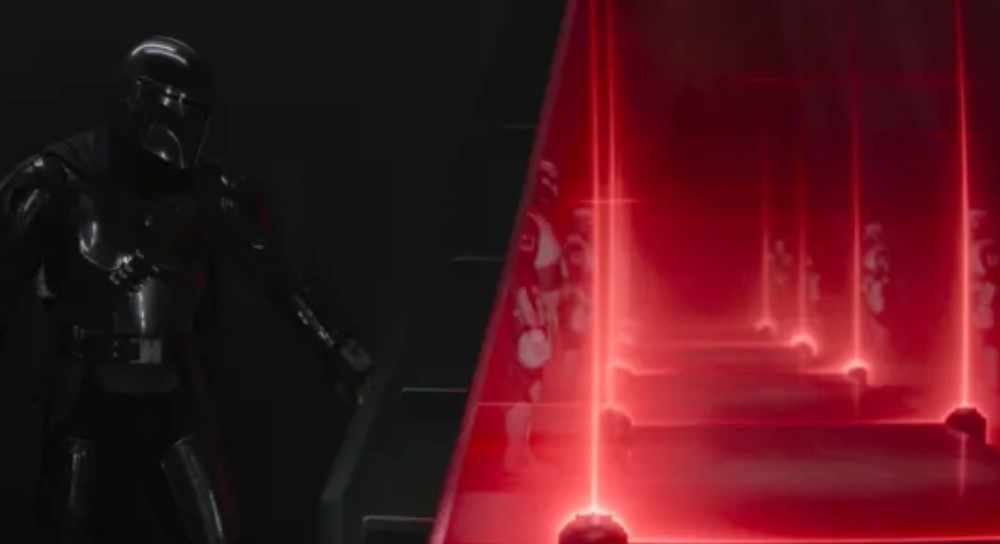
The Imperial Launch Bay, which features as a backdrop to Mando and Bo’s final duel with Moff Gideon, was shot utilizing ILM StageCraft. That environment was so massive there was no way to build it on a stage. But the benefit of shooting that in the volume was that all of the virtual architecture and lights reflected into the scenic floors, and that kind of connection really helps it feel seamless.

But some of my favorite volume work this season was in Isaac Chung’s episode, which is the story about Pershing the scientist. That episode was very Hitchcockian – meticulously plotted, with every shot carefully planned out. And there were many sets that felt like very clever applications of the StageCraft technology.

Pershing’s office space is a great example. We had about six practical desk cubicles in the foreground, and the rest of them were rendered on the screens, populated with digital characters and droids. All of this was happening live, in Unreal. Beyond that, the airtrain terminal, the Amnesty courtyard, and the shipyard were all highly-detailed real time environments that really supported the story.

Mark Newbold
Mark Newbold
Exploring the galaxy since 1978, Mark wrote his first fan fiction in '81 and been a presence online since his first webpage Fanta War in 1996. He currently contributes to ILM.com and SkywalkerSound.com, having previously written for Star Wars Insider, StarWars.com, Star Wars Encyclopedia, Build The Millennium Falcon, Starburst Magazine, Geeky Monkey, TV Film Memorabilia and Model and Collectors Mart. He is a four-time Star Wars Celebration Stage host (the only podcaster to have appeared on every Celebration podcast stage since it began in 2015), the Daily Content Manager of Fantha Tracks and the co-host of Making Tracks, Canon Fodder and Start Your Engines on Fantha Tracks Radio.
- Advertisement -
- Advertisement -
- Advertisement -