


From Blade Runner’s neon-soaked streets to Star Wars’ galaxy far, far away, science fiction has captured imaginations for generations. Now, this beloved genre is experiencing a renaissance in digital gaming, creating immersive experiences that blur the lines between passive viewing and active participation. For UK audiences raised on Doctor Who and obsessed with Black Mirror, this convergence feels both natural and thrilling.
The link between sci-fi themes and digital entertainment has become particularly prominent in recent years. Walk through any digital gaming platform, including popular casino online offerings, and you’ll encounter countless titles draped in futuristic aesthetics: space exploration narratives, cyberpunk cityscapes, alien encounters, and dystopian adventures. But why has this particular genre captured such a dominant position in the entertainment industry?
Visual Spectacle and Technological Possibility
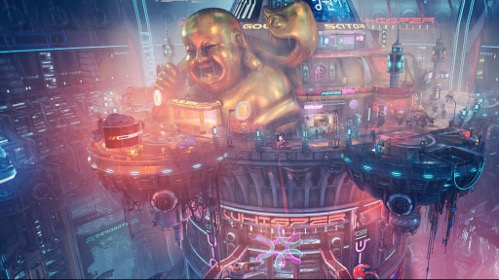
Science fiction provides game designers with unlimited creative freedom. Unlike historical or contemporary themes, sci-fi isn’t bound by realistic constraints. This allows for spectacular visual designs—glowing interfaces, impossible architecture, and otherworldly characters that showcase what modern graphics engines can achieve.
According to BAFTA, which recognises excellence in games through its annual awards, visual innovation often begins with genres that push technological boundaries.
The HTML5 technology powering today’s games can render these complex sci-fi environments smoothly across devices, making elaborate alien worlds accessible on your smartphone during a commute or on your laptop at home. This technological advancement has democratised access to visually rich experiences that would have required high-end gaming PCs just a decade ago.
Advanced rendering techniques like ray tracing, particle effects, and dynamic lighting systems find their perfect showcase in sci-fi environments. Imagine laser beams reflecting off metallic surfaces, holographic interfaces flickering with information, or the glow of a distant nebula illuminating a spacecraft’s hull. These visual elements would look out of place in realistic settings but feel absolutely natural in science fiction contexts.
Cultural Resonance
UK audiences have always embraced science fiction. From H.G. Wells’ The War of the Worlds to Alex Garland’s Ex Machina, British culture has consistently explored themes of technology, humanity, and the future. This cultural foundation makes sci-fi-themed gaming feel particularly relevant to UK players.
The genre reflects contemporary anxieties and hopes, with themes like artificial intelligence, space exploration, and Star Wars-inspired adventures mirroring real-world developments. Sci-fi also provides a safe space to explore complex ethical questions, such as:
- What does it mean to be human in an age of cybernetic enhancement?
- How should society balance technological progress with environmental concerns?
Player Psychology: Why Sci-Fi Feels So Rewarding to Interact With
One reason sci-fi themes dominate digital gaming is their powerful psychological appeal. Players aren’t just responding to colours and sound effects; they’re engaging with ideas that trigger curiosity, exploration, and emotional immersion. Science fiction invites players to step into worlds where anything feels possible, activating the same reward pathways associated with novelty seeking, discovery, and problem solving.
Studies into gaming psychology highlight that players are most engaged when they are presented with environments that offer mystery, progression, and a sense of scale. Sci-fi worlds are built around these elements. Whether uncovering the secrets of an alien civilization or navigating a neon-lit cyberpunk metropolis, players experience a constant loop of challenge and reward.
There’s also a strong appeal in assuming roles that don’t exist in reality. Becoming a starship pilot, a cyber-enhanced agent, or an explorer in uncharted galaxies lets players experiment with identity in a way traditional genres can’t match. This narrative freedom is increasingly important as games compete for attention in a saturated entertainment landscape.
Sci-fi settings are also ideal for adaptive gameplay, a design technique where the game’s environment responds to player behaviour. Because futuristic worlds can play with physics, time, technology, and even reality itself, developers can offer mechanics that wouldn’t make sense in real-world settings. Think gravity-shifting puzzles, teleportation, drone companions, or AI-driven characters who evolve with the player’s choices. These features not only enhance replay value but strengthen emotional engagement, helping sci-fi games build long-term loyalty among players.
Finally, sci-fi taps into the universal human fascination with the unknown. Every nebula, abandoned space station, or hidden research lab carries the promise of discovery, making each session feel like a journey rather than just a game. This deep-rooted psychological pull explains why the genre continues to dominate digital platforms and remains one of the most innovative spaces in gaming.
Nostalgia and Innovation Combined
Nostalgia and Innovation Combined Science fiction gaming cleverly balances nostalgia with innovation. Retro-futuristic designs that evoke 1980s visions of the future; think Tron or early arcade aesthetics—appeal to older millennials and Gen X players while remaining fresh enough for younger audiences. This multigenerational appeal makes sci-fi themes particularly valuable for platforms seeking broad audience engagement.
The synthwave aesthetic, characterised by neon colours, geometric patterns, and that distinctive 1980s vision of the future, has experienced a massive resurgence. This style taps into the nostalgia of those who grew up during that era while feeling refreshingly different to younger players accustomed to hyper-realistic graphics. The storytelling potential of sci-fi also cannot be overstated.
These themes allow for epic narratives, moral dilemmas, and world-building that create genuine emotional investment. Whether exploring abandoned space stations or navigating cyberpunk megacities, players aren’t just passing time—they’re embarking on adventures that feel genuinely engaging.
Sound Design and Atmosphere
One of sci-fi gaming’s strengths is its distinctive audio industry. Electronic soundtracks, synthesised effects, and ambient noises create immersive environments.
Highlights include:
- Adaptive audio systems: React to player actions for dynamic soundscapes.
- Immersive sound cues: Spaceship hums, warning klaxons, and musical integration enhance gameplay.
The Future of Themed Entertainment
As VR and AR technologies advance, sci-fi is poised to lead the next evolution of digital entertainment. Emerging tech, such as haptic feedback suits and brain-computer interfaces, aligns perfectly with the genre’s futuristic vision.
For UK gamers, sci-fi gaming offers more than aesthetics—it’s about experiencing imagined futures in interactive ways, celebrating technology, creativity, and our curiosity about what lies beyond the stars.