


Transforming remote communication: the role of USB cameras in a connected era
In the modern age of digital communication, USB cameras have cemented their place as vital tools for everything from routine video calls to more advanced, specialized tasks such as remote medical consultations. As more individuals and businesses depend on these devices for real-time video transmission, maintaining high-quality visuals even on networks with limited bandwidth has become an essential focus. The key challenge is finding ways to deliver sharp, uninterrupted video streams without overwhelming the available network capacity.
USB cameras have proven to be invaluable in the field of telemedicine, offering healthcare professionals the ability to remotely assess and diagnose patients. By enabling clear, live video feeds during consultations, these cameras help bridge the gap between doctors and patients who may be separated by vast distances. The precision and reliability of the video feed are crucial in ensuring accurate medical assessments, improving the overall quality of care delivered in remote settings.
As the technology behind USB cameras advances, so do the solutions for optimizing their use over networks. Today, many users can easily share webcam over the internet, even when network conditions are less than ideal. This is achieved through adaptive technologies that help compress data without sacrificing image quality, making it possible to maintain smooth video connections. These advancements are shaping the future of remote communication, offering seamless video streaming solutions across various industries.
Maximizing USB camera video quality on low-bandwidth networks
With the growing reliance on video communication, ensuring high-quality video streaming from USB cameras, even on low-bandwidth networks, has become essential for both personal and professional use. Whether it’s for online meetings, remote monitoring, or telemedicine, maintaining a clear, uninterrupted video feed can be a challenge when network limitations come into play. Fortunately, there are several techniques to optimize video streams while minimizing the impact on available bandwidth.
By utilizing the following methods, you can effectively manage your network resources and ensure that your USB camera provides a consistent and high-quality video feed:
- Optimize compression settings: modern video compression algorithms, such as H.264 or H.265, can significantly reduce file sizes without sacrificing image quality. Configuring your USB camera or software to use these codecs ensures efficient data transmission over the network.
- Adjust video resolution and frame rate: reducing the video resolution or lowering the frame rate can decrease the amount of data being sent. For example, streaming at 720p instead of 1080p can drastically reduce bandwidth usage while still providing a clear image. Similarly, reducing the frame rate from 30fps to 15fps can also help without severely affecting the video quality.
- Prioritize network traffic: implementing quality of service (QoS) protocols allows you to prioritize video traffic over less critical network tasks. This ensures that your video feed receives the necessary bandwidth to maintain a stable connection and avoid interruptions.
- Use adaptive bitrate streaming: this technology automatically adjusts the video quality based on the available network bandwidth in real-time. When bandwidth drops, the video resolution is temporarily reduced to prevent buffering, and as network conditions improve, the quality is restored.
- Leverage cloud-based solutions: cloud services can optimize the delivery of video streams by dynamically adjusting video quality and reducing the load on your local network. These solutions can also store footage remotely, freeing up bandwidth for real-time communication.
- Enable network caching: some video streaming software allows for the use of caching mechanisms, which store small portions of the video locally before streaming it. This helps prevent buffering and ensures smooth playback, even when network conditions fluctuate.
- Monitor and test network performance: regularly assessing network performance helps identify bottlenecks or potential issues that might affect video quality. Using network diagnostics tools to evaluate bandwidth, latency, and packet loss allows for adjustments that improve overall performance.
Implementing these strategies ensures that your USB camera delivers high-quality video even when faced with network constraints. Whether for professional or personal use, understanding how to adapt your video settings and leverage modern technologies can significantly enhance your video streaming experience, making it more reliable and efficient, regardless of network conditions.
Advancing telemedicine: how USB cameras revolutionize remote healthcare
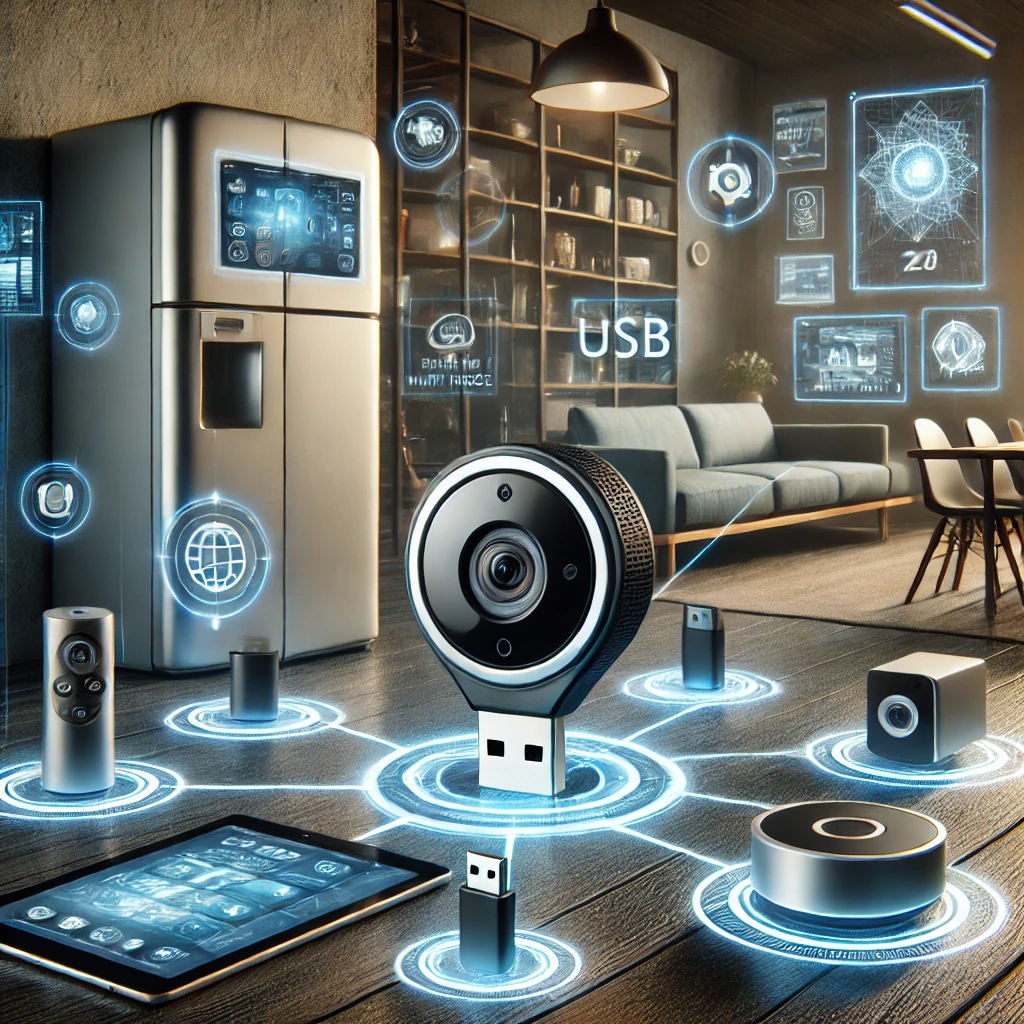
The rapid adoption of telemedicine has transformed the way healthcare services are delivered, and USB cameras play a pivotal role in making remote consultations more effective and accessible. These cameras provide a crucial link between healthcare providers and patients, allowing medical professionals to assess, diagnose, and treat individuals from a distance. Whether for routine check-ups or more specialized care, USB cameras enhance the quality of remote consultations by offering real-time visual interaction, which is essential for accurate medical evaluations.
Through advanced imaging capabilities and secure transmission methods, USB cameras are now an integral part of telemedicine solutions. Their ability to deliver high-resolution video feeds allows doctors to closely examine symptoms, while their easy integration with telemedicine platforms ensures a seamless experience for both practitioners and patients. Let’s take a closer look at the various ways USB camera technology improves remote healthcare delivery:
| Aspect | Impact of USB cameras in telemedicine |
| Real-time diagnostics | USB cameras allow doctors to visually assess a patient’s condition in real-time, enabling prompt diagnoses and reducing the need for travel. |
| High-resolution imaging | High-quality USB cameras provide clear, detailed video feeds, essential for examining skin conditions, wounds, or other visible symptoms. |
| Improved patient access | Patients in remote or underserved areas gain access to specialist consultations without the need to travel long distances. |
| Enhanced doctor-patient interaction | Video consultations via USB cameras foster a more personal interaction, allowing for better communication between patient and doctor. |
| Secure data transmission | Many USB camera systems used in healthcare integrate encryption technologies, ensuring that video feeds and patient data remain confidential. |
| Cost-effective healthcare | Remote consultations reduce overhead costs for both healthcare providers and patients, minimizing expenses related to in-person visits. |
| Flexible setup | USB cameras are easy to set up and integrate with existing telemedicine software, making them a practical tool for a variety of healthcare environments. |
| Collaboration among specialists | USB cameras enable multiple healthcare professionals to participate in consultations, allowing for collaborative care without geographical constraints. |
| Continuous monitoring | In cases requiring ongoing care, USB cameras provide a means of continuous patient monitoring, improving outcomes in chronic condition management. |
The use of USB cameras in telemedicine is helping bridge the gap between remote patients and quality healthcare. By providing an affordable, easy-to-use solution for virtual consultations, USB cameras enable healthcare providers to offer timely and effective care to patients regardless of their location. As telemedicine continues to grow in importance, the role of USB cameras will be vital in delivering efficient, high-quality medical services across the globe.
Final thoughts: USB cameras as key enablers of high-quality remote interaction
The evolution of USB cameras has paved the way for significant advancements in both everyday communication and specialized fields like telemedicine. Their ability to deliver high-quality video streaming, even under network constraints, makes them indispensable for remote work, online meetings, and virtual healthcare services. By implementing techniques such as adaptive bitrate streaming and video compression, users can ensure a seamless experience, maintaining clarity and reliability, even on low-bandwidth networks.
In healthcare, USB cameras have revolutionized the way medical professionals connect with patients. From enabling real-time diagnostics to fostering collaboration between specialists, these cameras ensure that remote consultations are both effective and accessible. By offering secure, high-resolution video feeds and simple integration into existing telemedicine platforms, USB cameras are helping break down barriers to healthcare, making it available to a broader audience.
As technology continues to advance, the role of USB cameras will only grow, becoming even more integral to a range of industries. Their flexibility, cost-effectiveness, and ease of use make them a cornerstone of modern digital communication, ensuring that distance is no longer a barrier to high-quality interaction and care.