

It’s easy to miss the little gaps between episodes, panels, or convention wanderings. You are not quite ready to dive into the next storyline, but scrolling feels stale. That’s where casual digital games come in. Fast to load, simple to play, and rewarding in small doses.
Whether waiting for a friend to finish browsing merch or taking a coffee break, a short session can reset your brain. These games are about quick moments of fun that recharge you.
What Makes Casual Games So Addictive
It’s not rocket science. Casual games fit into the tiny pockets of time that make up everyday life. You don’t need to schedule your day around them. You open them, play a round or two, and you are done.
Their mechanics are simple. Instructions are clear. The barrier to entry is low. You know exactly what you are getting into after a few seconds. That’s refreshing compared to massive titles that take hours to get invested in.
And even if you’ve just finished a marathon watch session of your favourite show – whether it’s sci‑fi, fantasy, or something else entirely – slipping into a casual game feels like a palate cleanse. It’s a light reset for your mind.
Why People Turn to Games During Downtime
We talk a lot about binge culture, how fans devour episodes back to back, devour comics page after page, or discuss plot twists deep into the night. But there’s a quieter trend beneath that: people want micro‑entertainment that fits between these larger experiences.
Some gamers hop into puzzle adventures that take two minutes. Others tap through creative challenges that show progress instantly. And yes, some choose games where strategy meets reward, including ones like fishing games for real money, because the idea of light, low‑pressure competition appeals when you’re not in full‑binge mode.
Those games don’t require long sessions, but they offer payoff loops that feel satisfying. You make a choice, you see a result, and that quick feedback is gratifying in a way a long film or complex RPG isn’t, especially during short breaks.
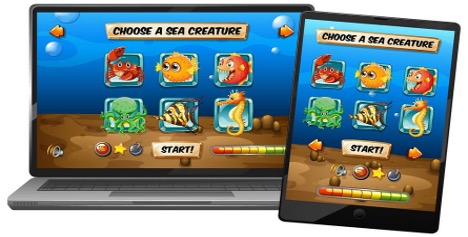
The Social Side of Casual Play
Another thing worth noting: these games aren’t always solo affairs. Many players share scores, challenge friends, or post funny moments from gameplay on social platforms. It’s not a full‑on guild or raiding party, but it’s a way to connect easily and casually.
It becomes a conversation starter, a way to build rapport without digging into big commitments.
That’s part of why casual games fit fandom culture so well. They are shareable, friendly, and easy to pick up whenever you’re free.
Micro‑Games Fill the Gaps in a Busy Life
Whether you are someone who attends big conventions every year, follows multiple franchises, or just enjoys a few fandom podcasts, your days are probably packed with content. There’s excitement. There’s speculation. There’s planning for what comes next.
But there are also quiet spaces in between. The walk to the train station, the ten minutes waiting in line for coffee, or the lull while you wait for a live stream to start. It’s in those gaps that digital games thrive. They don’t ask for deep commitment or hours of time. They fit elegantly into the spaces regular content can’t touch.
People who spend hours reading news, watching trailers, or listening to cast interviews still appreciate small diversions. The right game gives your brain a break, and that can make the rest of your leisure time feel fresher and more enjoyable.
Why Simplicity Wins in Casual Games
Big blockbuster games can be incredible with immersive storylines and vast open worlds. But that’s not always what someone wants in a ten‑minute break.
Here’s where simple mechanics shine:
- Easy learning curve.
- Immediate feedback.
- Sessions that last as long as you want.
That simplicity removes frustration. You don’t need a tutorial that feels like a class. You don’t need to memorise countless buttons or controls. You tap, you swipe, you enjoy. And if something like a match‑three puzzle or a short adventure challenges you, it feels like a pleasant surprise rather than a chore.


How These Games Support Mental Breaks
Experts often talk about the value of small breaks throughout the day. Micro‑activities like stretching, stepping outside for a breath of air, or just looking away from screens help maintain focus. Casual games fit into that category, but with a little extra fun baked in.
They occupy your brain just enough to distract from stress, without replacing the relaxation or reflection you want to enjoy during leisure moments. That’s why they are not just “killing time.” They support mental reset, and that’s meaningful, especially for fans who immerse themselves deeply in beloved franchises.
A Look at Play Patterns
Players gravitate toward different types of casual engagement. Some prefer creative building games. Others like puzzles that give instant “wins.” Strategy lovers choose games that give a quick challenge without long commitment. And some enjoy light competitive apps or chances at small rewards because those provide extra excitement.
Across all these styles, the common thread is accessibility. These games welcome you in, don’t punish you for taking a break, and let you exit just as easily. That freedom is part of their appeal.
Casual Games are Here to Stay
The rise of casual games isn’t a fad. It’s a reflection of how people live now. Time is fragmented. Routines are busy. There’s content everywhere – streaming, podcasts, social media, news – and people want ways to engage that respect their schedule, not demand it.
Casual digital games fulfil that need. They adapt to the spaces in life that larger content often can’t. And while major fandom events, blockbuster films, and deep discussions will always have a place, these smaller interactive experiences fill a different, equally important niche.
Making Casual Play Part of Your Routine
If you find yourself stuck in endless scrolling, consider swapping a few minutes of that for a short game session. These quick diversions can refresh your mind, sharpen your focus, and give your eyes a different engagement.
Among the days filled with big hits and long watchlists, small games remind us that sometimes joy comes in bite-sized experiences. Just enough to brighten the moment before you get back into the next part of your fandom life.