


When someone mentions Star Wars collectibles, the list is long: vintage action figures, mint-in-box LEGO sets, signed scripts, retro posters, and those elusive Kenner originals. But among all the memorabilia that spans galaxies and generations, one object has risen above them all—both literally and figuratively. The lightsaber.
Not just any toy-store version, but high-end, screen-accurate replica sabers with metal hilts, customizable sounds, and glowing blades worthy of a Jedi—or Sith. These aren’t just props. For many fans, Star Wars Theory Sabers and other premium brands offer something more: a tactile piece of the saga, built to be held, displayed, and even dueled with. And in the hierarchy of collecting, that weight means something.

Why the Lightsaber? It’s More Than Just a Weapon
There’s a reason no one talks about “collecting blasters” in the same way. The lightsaber carries symbolism. It’s a rite of passage in the films, a visual spectacle, and arguably the most iconic fictional weapon ever imagined. The hum. The glow. The clash. Even someone who’s never seen Star Wars could recognize it.
That emotional imprint matters. It’s why collectors don’t just see replica sabers as “another item” on the shelf. These sabers are conversation starters, centerpieces, and sometimes even the heart of the room. A high-end saber isn’t an accessory. It’s a statement.
From Plastic Toys to Precision Builds
Let’s rewind a few decades. Back then, lightsabers were clunky plastic tubes you’d whack against a sibling’s head. Fun, sure—but flimsy and forgettable. Fast forward to now, and the game has changed completely.
Today’s replica sabers are feats of design. CNC-machined aluminum hilts, neopixel blades with real-time lighting effects, motion sensors for swing recognition, and installable sound fonts that let you switch between Jedi, Sith, or even Grey variants. These are not mass-produced novelties—they’re artisan builds.
Some sabers replicate specific screen-used designs, like Luke’s green saber from Return of the Jedi or Cal Kestis’s broken-and-repaired hilt from Jedi: Fallen Order. Others take liberties and invent original lore-friendly builds, perfect for fans who want to forge their own identity within the galaxy.
Why Serious Collectors Are All In
There’s a kind of crossover happening—between collecting and curating. Serious collectors are no longer just stuffing things into boxes and closets. They’re designing entire displays, creating lore, even filming short films using their sabers.
Here’s why replica sabers hit different:
- Tactile Value: Unlike posters or Funko Pops, you can hold a lightsaber. You can feel the weight, ignite the blade, and spin it if you’re brave enough.
- Longevity: These aren’t fragile or disposable. Many come with modular parts, repairable electronics, and upgradable features. They’re built to last.
- Emotional Power: Holding a saber from a favorite character or story arc is personal. It evokes specific moments, arcs, and scenes—often tied to real-life memories.
- Flex Appeal: Let’s be honest—nothing on your shelf gets the same reaction from guests as a glowing saber hanging from a magnetic wall mount.
It’s no surprise that collectors are prioritizing quality sabers over large volumes of cheaper merchandise. One great saber says more than ten unopened boxes.
Cosplay, Display, or Combat? Why Not All Three?
Part of the appeal lies in versatility. High-end sabers aren’t just for shelves. They’re equally suited for cosplay, content creation, or actual light dueling.
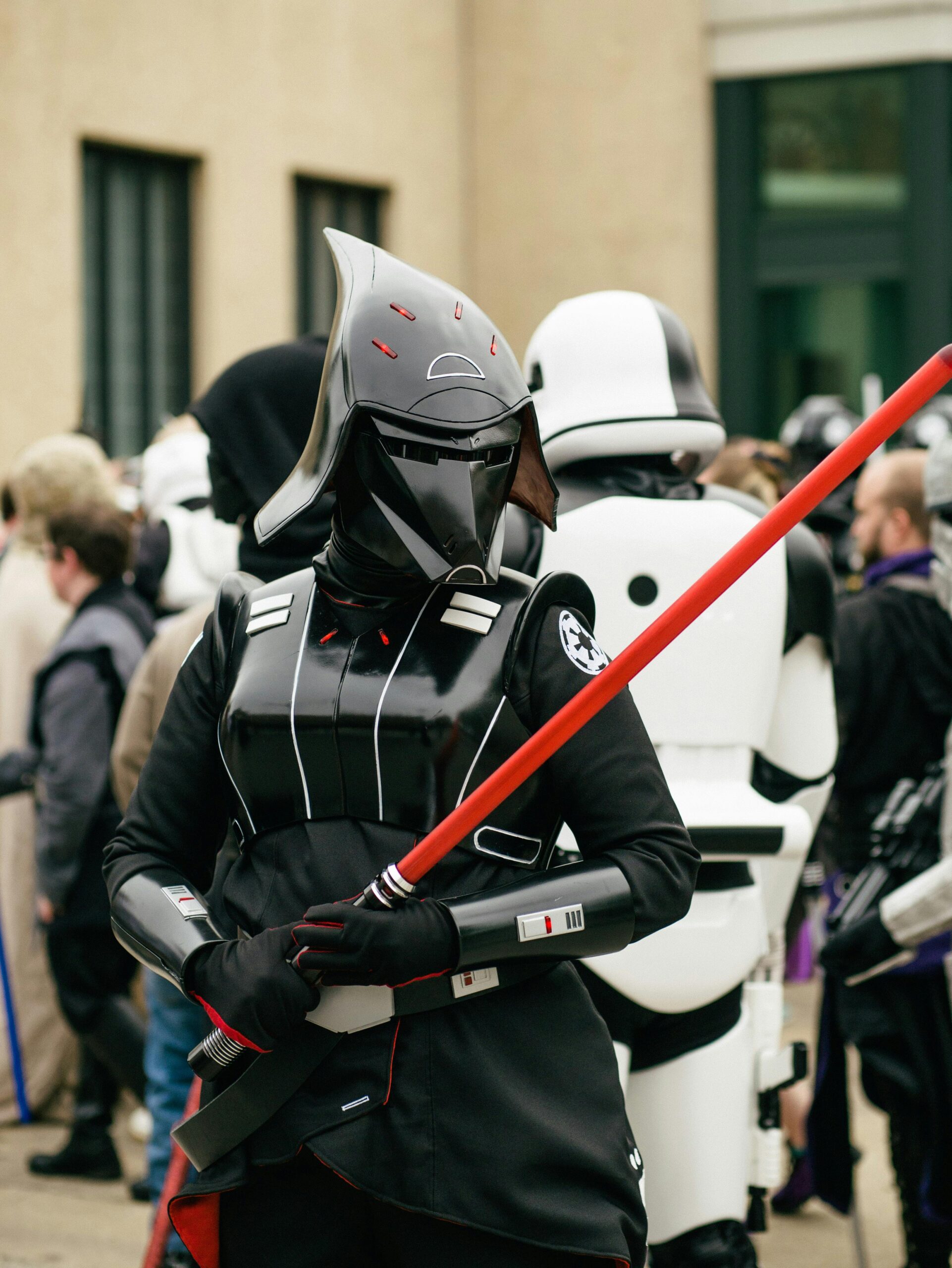
- Cosplay: Events like Comic-Con, Star Wars Celebration, or smaller local meetups are filled with fans wielding ultra-realistic sabers that complete their characters. A good replica brings a costume to life.
- Display: Minimalist or maximalist, collectors are designing LED-lit cabinets, magnetic floating stands, and glass displays to showcase sabers like prized art.
- Combat: While not all replicas are made for battle, many are duel-ready. Hobbyists and saber schools use them in choreographed fights, training sessions, and YouTube channels.
This triple utility makes them a rare kind of collectible—one you can use, show off, and still maintain its value.
The Rise of Saber Culture
Beyond collecting, an entire subculture has grown around replica sabers. Instagram pages, Reddit threads, Discord communities, and YouTube channels are dedicated to unboxing, customizing, and modding sabers.
There are fans who:
- Swap out their sound fonts weekly
- Install custom LED configurations
- Design their own lore-based characters with saber color, hilt type, and backstory
This hobby overlaps with fanfiction, video editing, 3D printing, and even small business entrepreneurship. Some fans go from buying their first saber to building them for others within a year.
Collecting lightsabers isn’t just passive—it’s participatory.
What to Look for in a Replica Saber
If you’re new to the scene, not all sabers are created equal. Here’s what separates a high-quality replica from a glorified flashlight:
- Materials: Aluminum or steel hilts give weight and durability. Avoid all-plastic designs unless you’re buying for a child.
- Blade Type: Neopixel blades allow dynamic lighting effects, smooth ignition, and color-changing with insane realism.
- Soundboard Quality: Proffieboards or Xenopixel systems offer customizable sound profiles, gesture controls, and volume adjustments.
- Removability: The ability to swap blades, batteries, or even the core electronics is a huge plus for long-term collectors.
- Accuracy: Whether screen-accurate or lore-inspired, good replicas honor the visual language of Star Wars.
Reliable builders like Star Wars Theory Sabers often include these specs as standard—and they back it up with good customer support and community trust.
The Value Side: Investment or Indulgence?
Let’s talk numbers. Top-tier sabers can range from $250 to $1000+. That’s no small chunk of credits. But compared to other fandom markets (e.g., original comic books, vintage toys), sabers hold their value surprisingly well—especially if well-maintained.
Collectors have started treating some limited-edition sabers like pop-culture investments. Runs of custom-designed hilts, collaborations with known prop builders, or actor-signed editions can appreciate significantly over time.
Even without resale in mind, the joy of ownership often justifies the price. After all, few other collectibles let you turn off the lights and duel in your living room.
The Collector’s Future: Custom Lore, Digital Twins, and Beyond
Where is all this going? A few interesting trends are emerging:
- Digital Twins: Some companies are exploring NFT-linked sabers—where your real saber has a verified digital version for online collections or use in the metaverse.
- Custom Lore Sabers: Fans are commissioning sabers with entirely original backstories, sound fonts, and hilt designs, carving out their place in fan canon.
- Tech Evolution: Motion-accurate clash effects, Bluetooth syncing, wireless charging—sabers are getting smarter by the year.
In short, the next generation of Star Wars collectibles won’t just sit on shelves. They’ll glow, respond, evolve, and maybe even tell stories of their own.
Final Thoughts: The Saber That Says It All
For many fans, owning a replica lightsaber is more than nostalgia. It’s a declaration of taste. A vote for craftsmanship. A love letter to Star Wars that you can actually hold.
In a sea of collectibles, a saber stands apart—not because it’s rare, but because it feels real.
When the lights dim, and that blade ignites with a signature hum, there’s no mistaking it. You’re not just a fan anymore.
You’re part of the legacy.