As contributions to the Star Wars galaxy go, hitting 100 issues of anything is worthy of celebration. When those issues are canonically important issues of Marvel’s Star Wars comics, StarWars.com take you to one side and interview you which is what’s just happened to Charles Soule as he explains how he got to this magnificent milestone.
StarWars.com: To start, I want to say congratulations on the milestone. That’s pretty amazing. What does it mean to you?
Charles Soule: When all of this occurred to me, it was really just late last year, probably. I was just, “I wonder how many of these things I’ve written,” and I just started adding it up because it was something that you do to procrastinate from doing the actual work of writing the issues. I realized how close I was to writing a hundred. Like, I was very, very close. I think, when I ran the numbers, it was like 97 or something like that. And so I was like, “Man, that’s crazy.” And then I did some more procrastination slash research slash analysis, and looked to see what some of the other prominent Star Wars comic book writers had done. And I realized that, at least in the modern canon, no one else had gotten there.
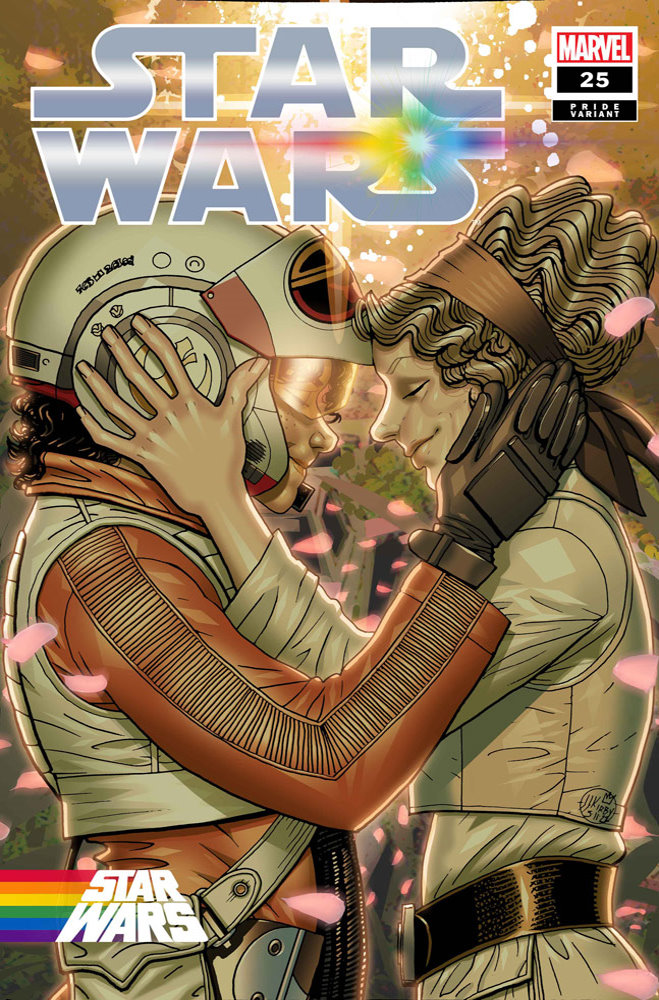
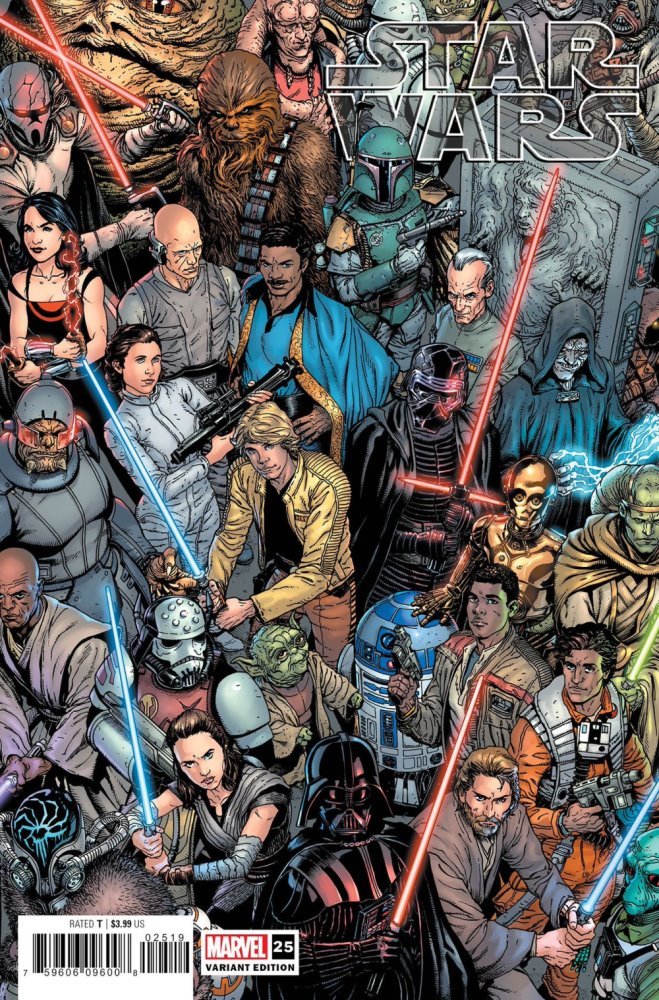
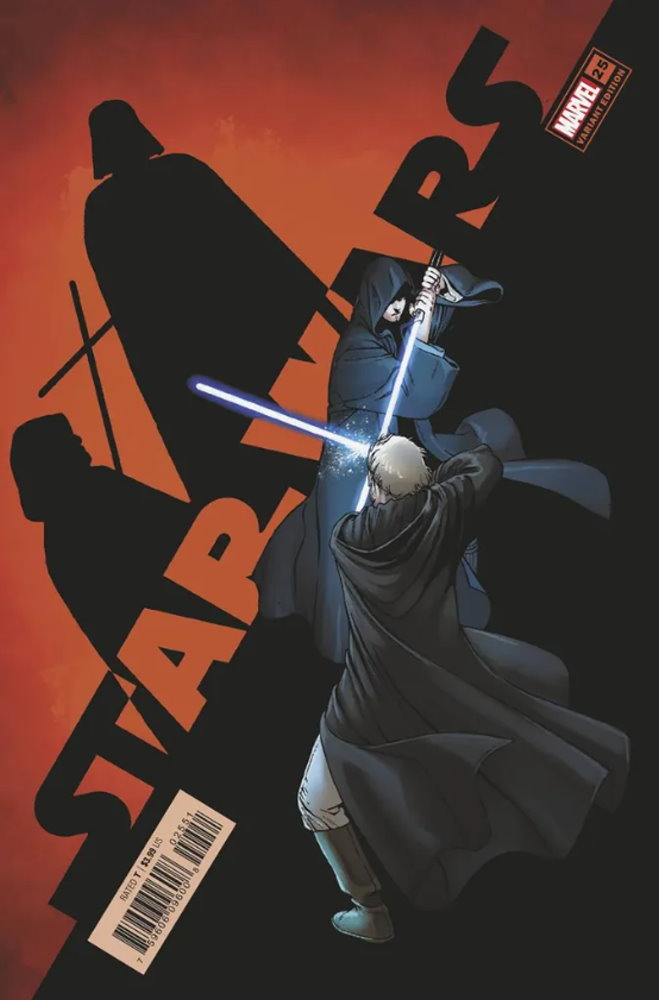
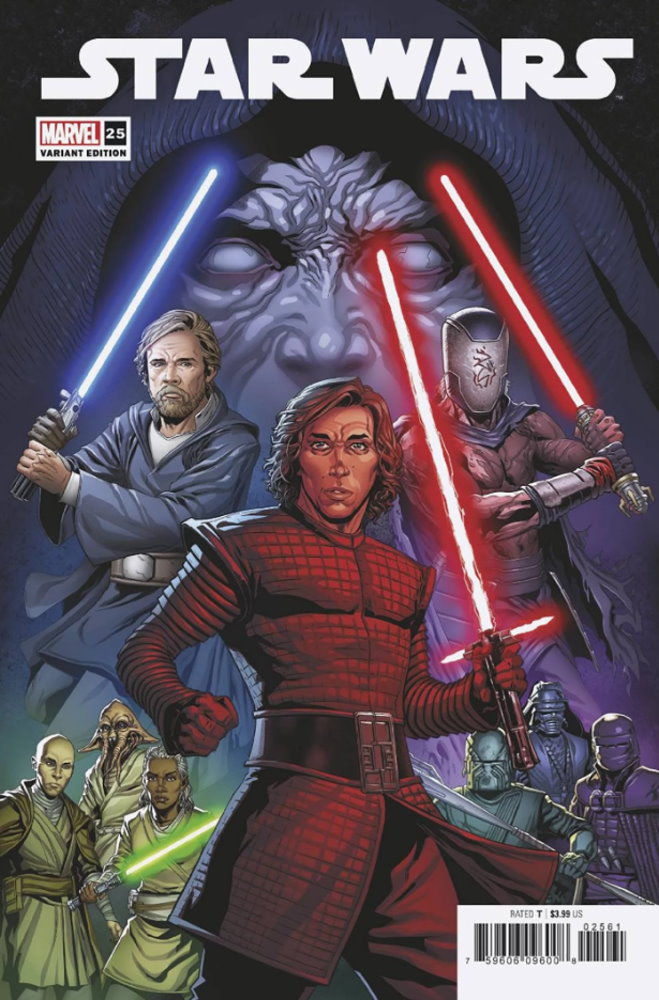
It meant to me that I had kind of definitively done what I always wanted to do in Star Wars, which was to make a mark, contribute in some significant way to this thing that I’d loved since I was really little. And you don’t have to write a hundred comics to do that. You can do that with one story. You can do that by being a fan. You can do that by loving Star Wars, however you want to love it. You don’t have to do this thing. But for me, it just felt like a really solid, real milestone that made me feel really good. I mean, that’s thousands of pages of material, thousands of pages of story that I got to create with some of the best artists in all of comics, and told stories that resonated with the fans, and have really given me the Star Wars career I have today, which is significant and goes beyond comics.
So it felt great, I guess, which is what I could have said very quickly [Laughs.] as opposed to going through that long spiel. Certain things happen in your career that bring things home for you in a way, right? That make it clear to you where you are or what you’ve achieved, or maybe how your work is received, that pull you out of the day to day, constant applied effort of making the stuff. And for me, this really was one of those, realizing that I had done or was about to do 100 of them.
StarWars.com: What would you say you’ve learned when it comes to writing Star Wars that you might not have known when you started?
Charles Soule: Honestly, I think writing Star Wars is like playing an instrument, and I use that metaphor a lot when applying it to just different things that you have to have a constant, sort of, applied effort. I’ve used that phrase twice in this interview, but like, it’s about practice and working hard and incremental improvement. And so every story you tell is both a story in and of itself, but it’s also a stepping stone to the next story you’re going to tell. I think there are a lot of things about writing Star Wars as well that you don’t get on project one. You have to figure out how to dance between the raindrops in the way that so much of the story has kind of already been told, and you’re working within an established history. You can’t tell the story of the death of Luke Skywalker, because we know the story of the death of Luke Skywalker, for example. It’s a very particular muscle to be able to tell stories that matter in and among all the other stories that matter, with characters for whom we’ve seen many of the most significant events in their lives — their birth to their death, in many cases. So, figuring out how to do that, that feels like a very Star Warsy muscle in particular. Like, telling good Star Wars stories within the existing Skywalker Saga stuff.
I also think it’s been very informative in terms of working within a larger shared universe that keeps a consistent history, because there’s a lot of what you’d call “stakeholders,” right? Lucasfilm Story Group has a very significant role in making sure that the stories that are told work within the larger stories of the galaxy. I would say the fans are stakeholders in a pretty significant way. Like, you’re telling stories for a group of fans who love this thing as much as you do. And then of course, there’s Marvel too, right? Because when you write comics for Star Wars, you’re working with incredible people at Marvel, but you’re also working with incredible people at Lucasfilm. And you’re also working directly with an artist, and a colorist, and a letterer, and the creative team. And you’re also kind of working with yourself and your own relationship with Star Wars. So that’s a lot to navigate. It gives you some very valuable skills in terms of doing this particular job, but also jobs like it that might exist out in the world.
Exploring the galaxy since 1978, Mark wrote his first fan fiction in '81 and been a presence online since webpage Fanta War in 1996. He currently contributes to ILM.com, SkywalkerSound.com and Starburst Magazine, having previously written for magazines and sites including Star Wars Insider, StarWars.com, Star Wars Encyclopedia, Lightsabre.co.uk, Jedi News, Jedi.net, Build The Millennium Falcon, Geeky Monkey, TV Film Memorabilia, Model and Collectors Mart, Star Trek The Official Magazine, Star Trek: TNZ and StarTrek.com.
He is the only podcaster to have appeared on every Celebration podcast stage since it began in 2015, hosting it four times, the EiC and Daily Content Manager of Fantha Tracks and the co-host of Making Tracks, Canon Fodder and Start Your Engines on Fantha Tracks Radio.
- Advertisement -
- Advertisement -
As contributions to the Star Wars galaxy go, hitting 100 issues of anything is worthy of celebration. When those issues are canonically important issues of Marvel’s Star Wars comics, StarWars.com take you to one side and interview you which is what’s just happened to Charles Soule as he explains how he got to this magnificent milestone.
StarWars.com: To start, I want to say congratulations on the milestone. That’s pretty amazing. What does it mean to you?
Charles Soule: When all of this occurred to me, it was really just late last year, probably. I was just, “I wonder how many of these things I’ve written,” and I just started adding it up because it was something that you do to procrastinate from doing the actual work of writing the issues. I realized how close I was to writing a hundred. Like, I was very, very close. I think, when I ran the numbers, it was like 97 or something like that. And so I was like, “Man, that’s crazy.” And then I did some more procrastination slash research slash analysis, and looked to see what some of the other prominent Star Wars comic book writers had done. And I realized that, at least in the modern canon, no one else had gotten there.
It meant to me that I had kind of definitively done what I always wanted to do in Star Wars, which was to make a mark, contribute in some significant way to this thing that I’d loved since I was really little. And you don’t have to write a hundred comics to do that. You can do that with one story. You can do that by being a fan. You can do that by loving Star Wars, however you want to love it. You don’t have to do this thing. But for me, it just felt like a really solid, real milestone that made me feel really good. I mean, that’s thousands of pages of material, thousands of pages of story that I got to create with some of the best artists in all of comics, and told stories that resonated with the fans, and have really given me the Star Wars career I have today, which is significant and goes beyond comics.
So it felt great, I guess, which is what I could have said very quickly [Laughs.] as opposed to going through that long spiel. Certain things happen in your career that bring things home for you in a way, right? That make it clear to you where you are or what you’ve achieved, or maybe how your work is received, that pull you out of the day to day, constant applied effort of making the stuff. And for me, this really was one of those, realizing that I had done or was about to do 100 of them.
StarWars.com: What would you say you’ve learned when it comes to writing Star Wars that you might not have known when you started?
Charles Soule: Honestly, I think writing Star Wars is like playing an instrument, and I use that metaphor a lot when applying it to just different things that you have to have a constant, sort of, applied effort. I’ve used that phrase twice in this interview, but like, it’s about practice and working hard and incremental improvement. And so every story you tell is both a story in and of itself, but it’s also a stepping stone to the next story you’re going to tell. I think there are a lot of things about writing Star Wars as well that you don’t get on project one. You have to figure out how to dance between the raindrops in the way that so much of the story has kind of already been told, and you’re working within an established history. You can’t tell the story of the death of Luke Skywalker, because we know the story of the death of Luke Skywalker, for example. It’s a very particular muscle to be able to tell stories that matter in and among all the other stories that matter, with characters for whom we’ve seen many of the most significant events in their lives — their birth to their death, in many cases. So, figuring out how to do that, that feels like a very Star Warsy muscle in particular. Like, telling good Star Wars stories within the existing Skywalker Saga stuff.
I also think it’s been very informative in terms of working within a larger shared universe that keeps a consistent history, because there’s a lot of what you’d call “stakeholders,” right? Lucasfilm Story Group has a very significant role in making sure that the stories that are told work within the larger stories of the galaxy. I would say the fans are stakeholders in a pretty significant way. Like, you’re telling stories for a group of fans who love this thing as much as you do. And then of course, there’s Marvel too, right? Because when you write comics for Star Wars, you’re working with incredible people at Marvel, but you’re also working with incredible people at Lucasfilm. And you’re also working directly with an artist, and a colorist, and a letterer, and the creative team. And you’re also kind of working with yourself and your own relationship with Star Wars. So that’s a lot to navigate. It gives you some very valuable skills in terms of doing this particular job, but also jobs like it that might exist out in the world.
Exploring the galaxy since 1978, Mark wrote his first fan fiction in '81 and been a presence online since webpage Fanta War in 1996. He currently contributes to ILM.com, SkywalkerSound.com and Starburst Magazine, having previously written for magazines and sites including Star Wars Insider, StarWars.com, Star Wars Encyclopedia, Lightsabre.co.uk, Jedi News, Jedi.net, Build The Millennium Falcon, Geeky Monkey, TV Film Memorabilia, Model and Collectors Mart, Star Trek The Official Magazine, Star Trek: TNZ and StarTrek.com.
He is the only podcaster to have appeared on every Celebration podcast stage since it began in 2015, hosting it four times, the EiC and Daily Content Manager of Fantha Tracks and the co-host of Making Tracks, Canon Fodder and Start Your Engines on Fantha Tracks Radio.
When you visit any web site, it may store or retrieve information on your browser, mostly in the form of cookies. Control your personal Cookie Services here.
For performance reasons we use OneSignal as a notification service. This saves a number of cookies in order to apply notifcation services on a per-client basis. These cookies are strictly necessary for OneSignal's notification features. It is essential to the service that these are not turned off.



StarWars.com: To start, I want to say congratulations on the milestone. That’s pretty amazing. What does it mean to you?
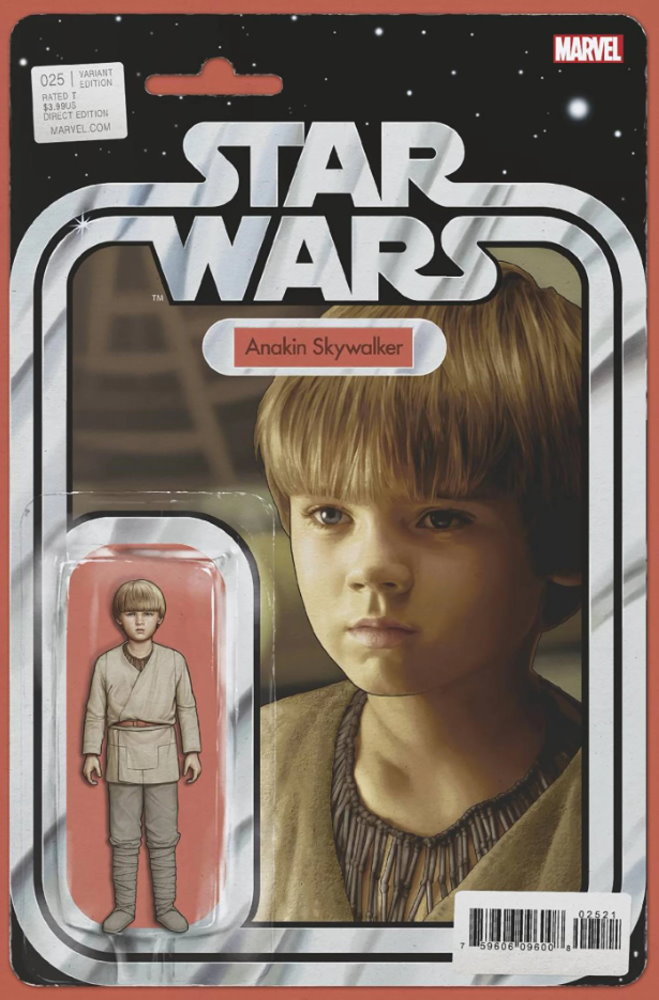
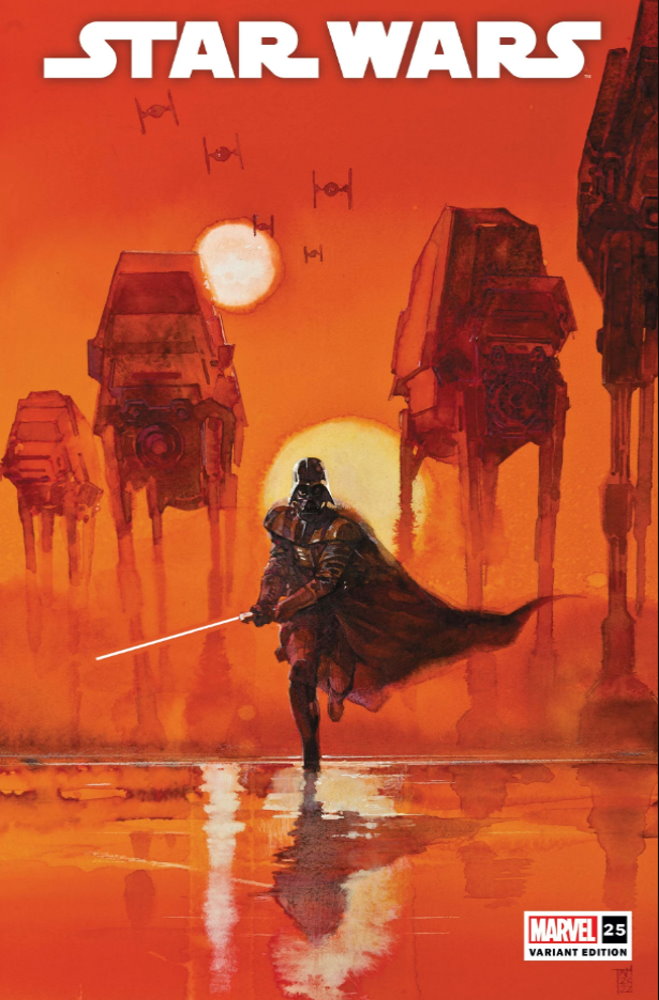
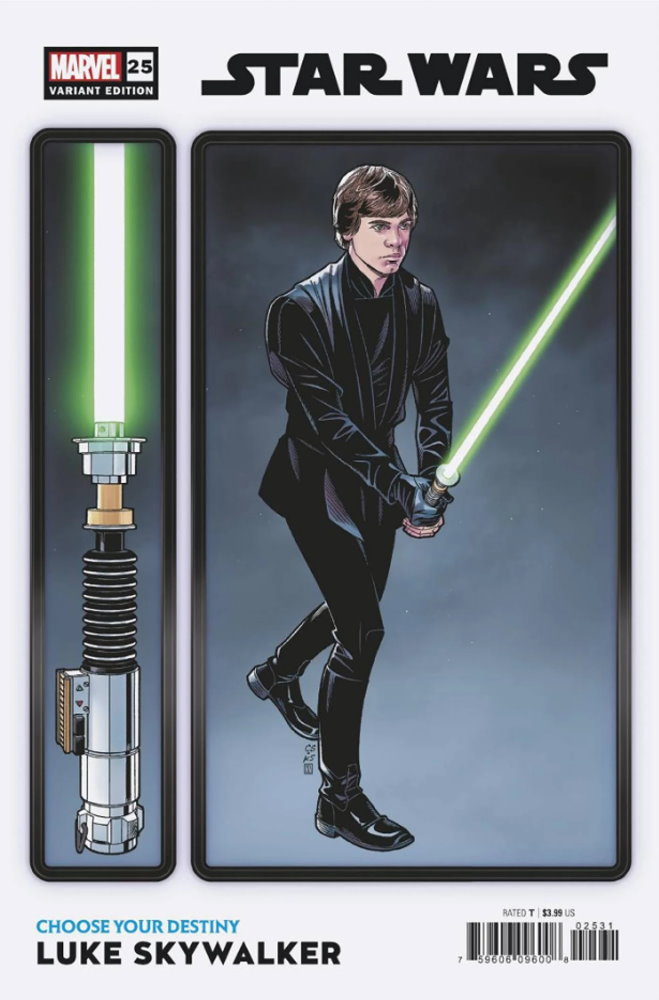
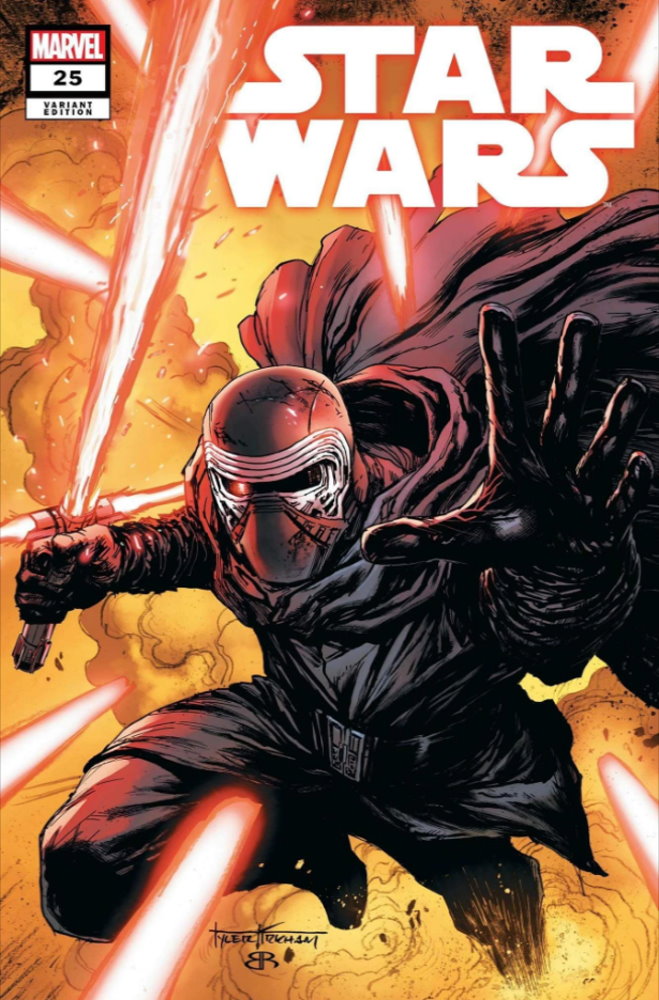
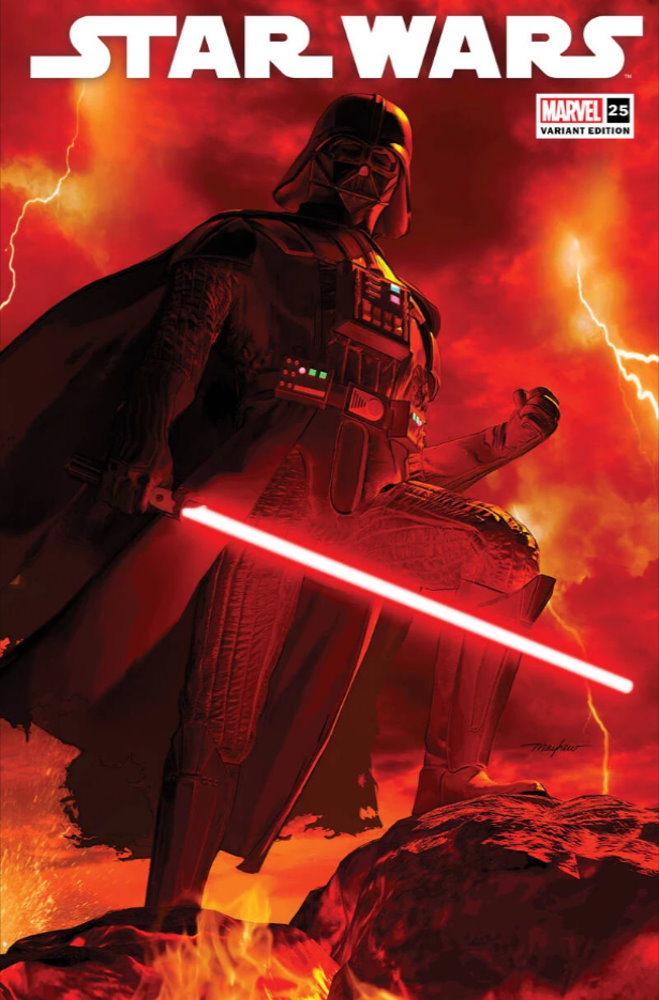
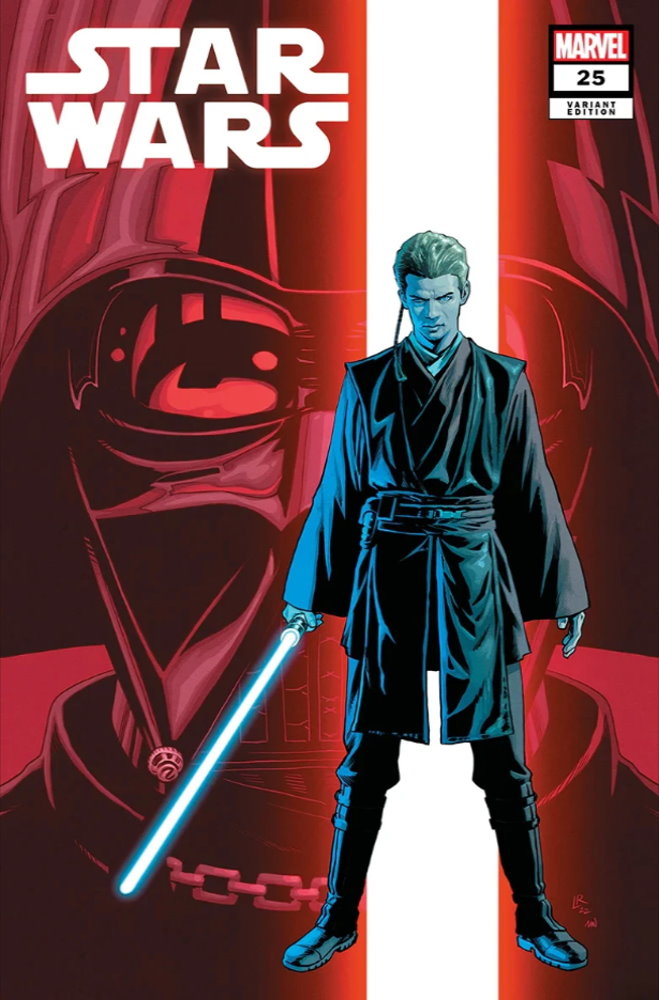
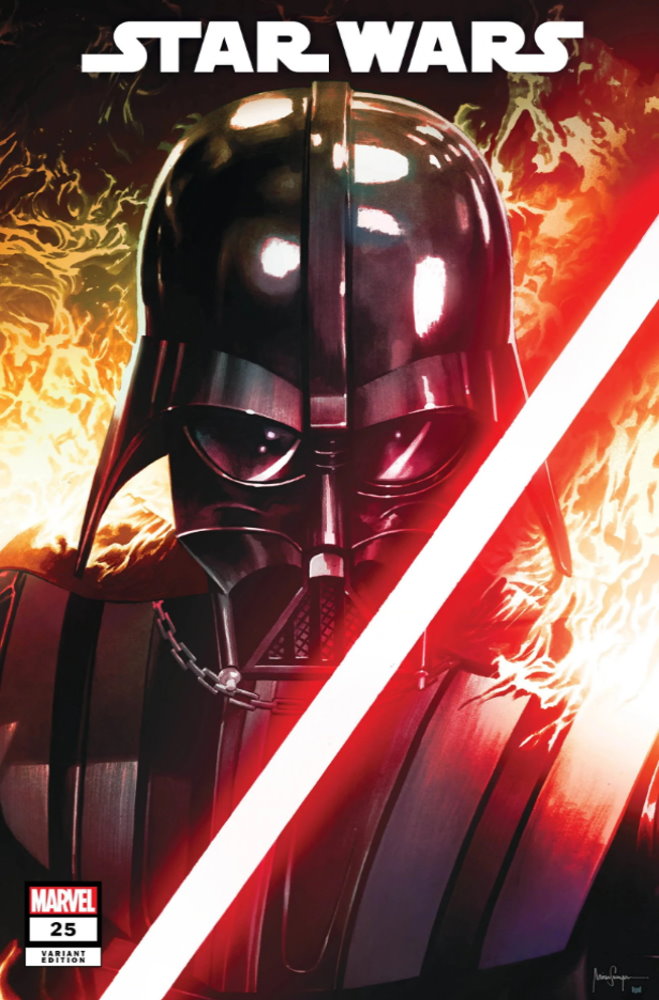
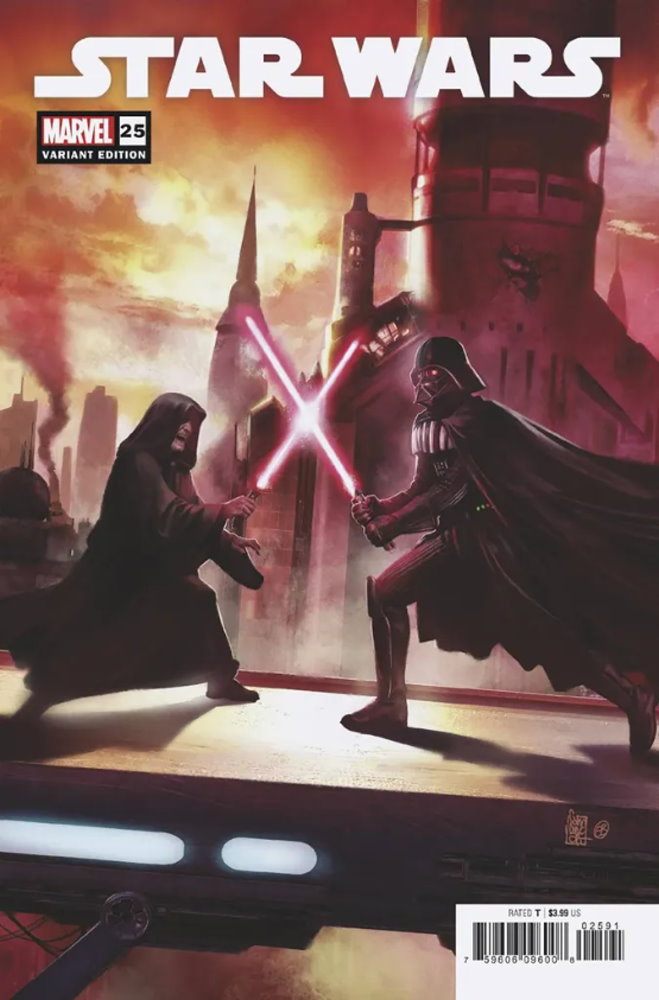
I also think it’s been very informative in terms of working within a larger shared universe that keeps a consistent history, because there’s a lot of what you’d call “stakeholders,” right? Lucasfilm Story Group has a very significant role in making sure that the stories that are told work within the larger stories of the galaxy. I would say the fans are stakeholders in a pretty significant way. Like, you’re telling stories for a group of fans who love this thing as much as you do. And then of course, there’s Marvel too, right? Because when you write comics for Star Wars, you’re working with incredible people at Marvel, but you’re also working with incredible people at Lucasfilm. And you’re also working directly with an artist, and a colorist, and a letterer, and the creative team. And you’re also kind of working with yourself and your own relationship with Star Wars. So that’s a lot to navigate. It gives you some very valuable skills in terms of doing this particular job, but also jobs like it that might exist out in the world.