


The Mandalorian and Grogu: Breaking down the box office untruths

- Advertisement -
- Advertisement -

Last week, an early box office prediction for The Mandalorian and Grogu’s opening weekend did the rounds on all social media and caught a bit of traction. There was fair bit of negativity surrounding it and, as expected, lots of rubbish and lazy clickbait.

The early box office prediction put the film at opening around 71 – 84-million-dollar mark in North America. So, yes, this would be the lowest opening for a live-action Star Wars film. Indeed, also, it would be lower than Solo, but the box office is an interesting thing to navigate, and the conversation is far more nuanced than people may realise.
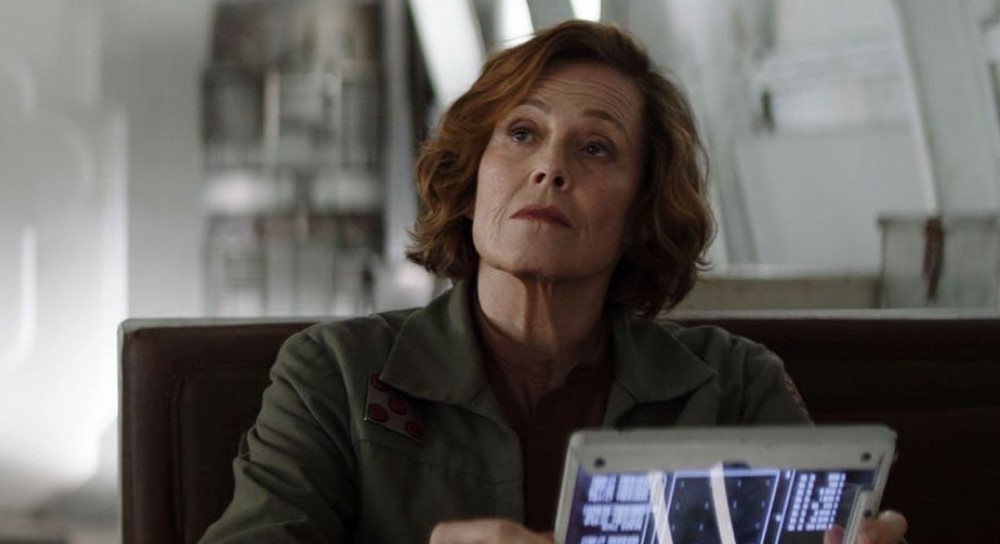
Sigourney Weaver in The Mandalorian & Grogu

A film, very roughly speaking, needs to make 2.5 times its budget in order to make its money back. That’s before any profit can be seen at all, in any capacity. That’s because cinemas get a roughly 50/50 stake of all ticket sales. This fluctuates overseas, for example in Europe and China where the cinemas might get slightly more, and don’t forget that Canada’s box office goes into America’s box office results.

Let’s also not forget that a film’s budget does not include its promotional spending.

Here’s a few examples that will help us understand that The Mandalorian and Grogu is a very, very different beast when it comes to Star Wars films.

Firstly, Godzilla Minus One. The 2023 Japanese hit cost around $15 million to make. Its lifetime box office culmination came in at $166 million. Around ten times its budget. So, though that film was no where near a billion of other modern blockbusters, it makes it one of the most successful films made in recent years.

Then, there’s something called a Hollywood sleeper hit. It’s in the same vein as Godzilla Minus One. For this, let’s use 500 Days of Summer. I love this film. Absolutely adore it. The 2009 comedy-drama only made $60 million at the box office. What a dud that is! Goodness me! Surely it lost cash. Well, not a chance! The film only cost $7 million to make. You see where the term ‘sleeper hit’ comes it.

Next is the opposite end of the spectrum. Let’s take a look at the much talked about Avatar: Fire and Ash from last December. That film made a whopping $1.5 billion at the worldwide box office. Amazing stuff. However, the future of Avatar is in doubt. The film’s budget, before advertising, was around $400 million to make. So, by comparison to 500 Days of Summer (yes, as ever, we need to keep inflation in mind), its box office return has got the studio heads questioning whether they can continue with these films. Rumours are swirling that Disney want the next Avatar films to be made cheaper and be much shorter. Again, runtime has an effect. The longer the film, the less showtimes per day. That’s why family films, especially animation, continue to do stellar business.

On this note, look at Zootropolis 2 (or Zootopia 2 outside of Europe) from last November. The budget for that film was $150 million before advertising and ended up grossing nearly $1.9 billion. The interesting thing about this film is the Asian market. The film skyrocketed there and kept brining in dollar after dollar after dollar. Note how 2025 was the Year of the Snake and one of the film’s main characters was, you guessed it, a snake. Clever. China’s box office has become a big goal for many films of late.

So, Star Wars. The highest grossing Star Wars film is The Force Awakens. It’s also one of the most expensive films ever made. That box office t stands at over $2 billion worldwide. Its budget was between $530 – $630 million in total. So, a success by anyone’s standards.

The Clone Wars theatrical film made $68.5 million on a budget of only $8.5 million.

Then, there’s the infamous stumble of Solo. That film’s budget, and we all know why, ended up being $365 million and the film only made $393 million. Ouch. This is very similar to Indiana Jones and the Dial of Destiny.

It’s worth noting here that no film, ever at all, makes billions by filmgoers only seeing it once. It needs people to go more than once. I myself saw The Force Awakens 5 times. It’s clear from Dial of Destiny that the moviegoing public at large, went once, if at all.

The point I’m trying to make here is that each film is its own thing and, most importantly, of its time. It is impossible to compare films to each other from 2015, 1983, 1999 or even a few years ago.
There’s also home media and digital and streaming to take into account. A film may stumble at the box office but end up recouping its money on digital where, obviously, studios don’t have to share the profits with cinemas.

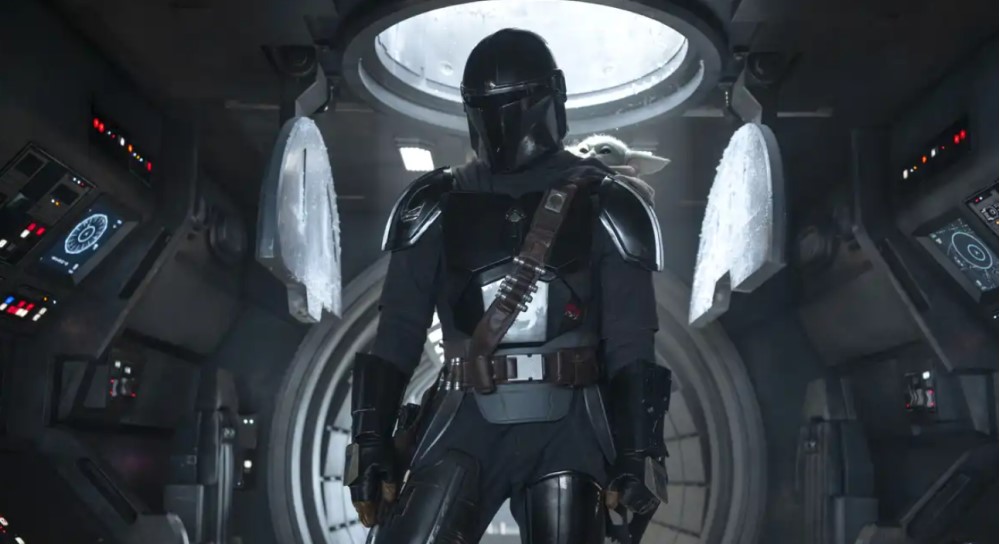
This finally leads us to The Mandalorian and Grogu. The rumoured budget for this film $166 million. This would make it the cheapest live-action film to date. Now, this is before advertising. Let’s assume there’s a $100 million advertising campaign. It could be lower. I suspect it may be, but $100 million is a somewhat standard.

If the film makes around $600 million at the global box office, then it’s all good and groovy. Anything after that is pure profit for the House of Mouse.

So, $600 million box office take might seem low, but it would be a perfectly healthy thing to happen. Some analysts believe the film might end up around $700-750 mark which would then be deemed a win.

This is also a soft launch for the Star Wars and its return to cinemas and can only be judged against itself.

Time will tell if this is the way.

Jonathan Hipkiss
Jonathan Hipkisshttps://www.comedycv.co.uk/jonathanhipkiss/index.html
Jonathan wasn't born until 1991 so missed out on all the fun but in 1995 when a family member gave him three old VHS tapes from a galaxy far, far away his life was transformed forever. In 1999, aged 8, he fell in love all over again with the Prequels and the rest, as they say, is history. By day (and night) Jonathan is an author/ writer and stand-up comedian and now spends most of his time thinking about how he can work more Star Wars jokes into his show. Jonathan is also the curator of 'The Jedi Palladium'.
- Advertisement -
- Advertisement -

Last week, an early box office prediction for The Mandalorian and Grogu’s opening weekend did the rounds on all social media and caught a bit of traction. There was fair bit of negativity surrounding it and, as expected, lots of rubbish and lazy clickbait.

The early box office prediction put the film at opening around 71 – 84-million-dollar mark in North America. So, yes, this would be the lowest opening for a live-action Star Wars film. Indeed, also, it would be lower than Solo, but the box office is an interesting thing to navigate, and the conversation is far more nuanced than people may realise.

Sigourney Weaver in The Mandalorian & Grogu

A film, very roughly speaking, needs to make 2.5 times its budget in order to make its money back. That’s before any profit can be seen at all, in any capacity. That’s because cinemas get a roughly 50/50 stake of all ticket sales. This fluctuates overseas, for example in Europe and China where the cinemas might get slightly more, and don’t forget that Canada’s box office goes into America’s box office results.

Let’s also not forget that a film’s budget does not include its promotional spending.

Here’s a few examples that will help us understand that The Mandalorian and Grogu is a very, very different beast when it comes to Star Wars films.

Firstly, Godzilla Minus One. The 2023 Japanese hit cost around $15 million to make. Its lifetime box office culmination came in at $166 million. Around ten times its budget. So, though that film was no where near a billion of other modern blockbusters, it makes it one of the most successful films made in recent years.

Then, there’s something called a Hollywood sleeper hit. It’s in the same vein as Godzilla Minus One. For this, let’s use 500 Days of Summer. I love this film. Absolutely adore it. The 2009 comedy-drama only made $60 million at the box office. What a dud that is! Goodness me! Surely it lost cash. Well, not a chance! The film only cost $7 million to make. You see where the term ‘sleeper hit’ comes it.

Next is the opposite end of the spectrum. Let’s take a look at the much talked about Avatar: Fire and Ash from last December. That film made a whopping $1.5 billion at the worldwide box office. Amazing stuff. However, the future of Avatar is in doubt. The film’s budget, before advertising, was around $400 million to make. So, by comparison to 500 Days of Summer (yes, as ever, we need to keep inflation in mind), its box office return has got the studio heads questioning whether they can continue with these films. Rumours are swirling that Disney want the next Avatar films to be made cheaper and be much shorter. Again, runtime has an effect. The longer the film, the less showtimes per day. That’s why family films, especially animation, continue to do stellar business.

On this note, look at Zootropolis 2 (or Zootopia 2 outside of Europe) from last November. The budget for that film was $150 million before advertising and ended up grossing nearly $1.9 billion. The interesting thing about this film is the Asian market. The film skyrocketed there and kept brining in dollar after dollar after dollar. Note how 2025 was the Year of the Snake and one of the film’s main characters was, you guessed it, a snake. Clever. China’s box office has become a big goal for many films of late.

So, Star Wars. The highest grossing Star Wars film is The Force Awakens. It’s also one of the most expensive films ever made. That box office t stands at over $2 billion worldwide. Its budget was between $530 – $630 million in total. So, a success by anyone’s standards.

The Clone Wars theatrical film made $68.5 million on a budget of only $8.5 million.

Then, there’s the infamous stumble of Solo. That film’s budget, and we all know why, ended up being $365 million and the film only made $393 million. Ouch. This is very similar to Indiana Jones and the Dial of Destiny.

It’s worth noting here that no film, ever at all, makes billions by filmgoers only seeing it once. It needs people to go more than once. I myself saw The Force Awakens 5 times. It’s clear from Dial of Destiny that the moviegoing public at large, went once, if at all.

The point I’m trying to make here is that each film is its own thing and, most importantly, of its time. It is impossible to compare films to each other from 2015, 1983, 1999 or even a few years ago.

There’s also home media and digital and streaming to take into account. A film may stumble at the box office but end up recouping its money on digital where, obviously, studios don’t have to share the profits with cinemas.

This finally leads us to The Mandalorian and Grogu. The rumoured budget for this film $166 million. This would make it the cheapest live-action film to date. Now, this is before advertising. Let’s assume there’s a $100 million advertising campaign. It could be lower. I suspect it may be, but $100 million is a somewhat standard.

If the film makes around $600 million at the global box office, then it’s all good and groovy. Anything after that is pure profit for the House of Mouse.

So, $600 million box office take might seem low, but it would be a perfectly healthy thing to happen. Some analysts believe the film might end up around $700-750 mark which would then be deemed a win.

This is also a soft launch for the Star Wars and its return to cinemas and can only be judged against itself.

Time will tell if this is the way.

Jonathan Hipkiss
Jonathan Hipkisshttps://www.comedycv.co.uk/jonathanhipkiss/index.html
Jonathan wasn't born until 1991 so missed out on all the fun but in 1995 when a family member gave him three old VHS tapes from a galaxy far, far away his life was transformed forever. In 1999, aged 8, he fell in love all over again with the Prequels and the rest, as they say, is history. By day (and night) Jonathan is an author/ writer and stand-up comedian and now spends most of his time thinking about how he can work more Star Wars jokes into his show. Jonathan is also the curator of 'The Jedi Palladium'.
- Advertisement -
- Advertisement -
- Advertisement -