


There is a certain way Star Wars fans watch things. Not just Star Wars itself, but anything tied to it. Scenes get paused. Background characters get noticed. Someone always points out that a ship in the corner looks like a model from a game released twenty years ago. Most viewers would miss it. In this space, it rarely goes unnoticed for long.
This habit did not appear overnight. It grew slowly. Years of rewatching the same films, digging through books, following animated series, and catching references that only make sense if you have been around the universe long enough. Star Wars trains its audience to look closer. The more you notice, the more there seems to be.
Over time, that way of watching becomes automatic. It stops being about hunting for mistakes. It turns into part of the enjoyment. Small details begin to feel just as important as the big plot points.
How Star Wars Trained Fans to Look Closer
Long before high-definition streaming and frame-by-frame breakdowns, Star Wars was already full of small hints that pointed to a larger world. You noticed a strange species in the background. You heard names that were never explained on screen. Ships appeared for a moment and then vanished from the story entirely.
For a lot of fans, that was the hook. It suggested there were other stories happening just outside the frame. Over time, books, games, and series filled in parts of that space. Some of it lined up neatly. Some of it didn’t. Either way, it kept people paying attention.
That habit stuck. When new footage drops, people start matching outfits to earlier designs, comparing accents, noticing reused props, or pointing out that a line of dialogue mirrors something said years ago. None of this is required to follow the story. People do it because it has become part of how they engage with it.
The franchise also carries a long memory. New material often nods back to older ideas, sometimes quietly. When that happens, fans who catch it feel rewarded. When it doesn’t, the gap is noticed too. Over time, close watching becomes normal. Casual watching starts to feel like something is missing.
When Small Details Become Signals of Quality
In Star Wars spaces, small details often stand in for bigger judgments. A design choice can trigger a debate about whether a series really understands the universe. A throwaway line can feel like proof that the writers did their homework. Fans read into these moments because, over time, they have learned that small things tend to point to larger patterns.
That way of thinking carries over into how many fans judge the media in general. One review rarely settles anything. People look for the same concerns coming up in different places. If they do, it starts to feel real. If praise sounds thin or oddly similar across platforms, it gets questioned.
There is also a long memory at work. Fans remember past missteps, changes in direction, and ideas that never quite landed. That history shapes how new releases are received. Trust builds slowly. Once it slips, it does not bounce back easily. This is not unique to Star Wars, but the scale of the franchise makes it more obvious.
Over time, this creates a culture where attention to detail feels like a form of care. When something lines up with what came before, people notice. When it doesn’t, they notice that too. Either way, the details end up carrying weight.
How This Detail-First Culture Shapes Choices Beyond Star Wars
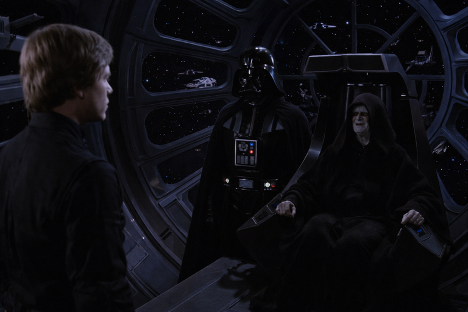
The habit of noticing small things does not stay inside Star Wars. Fans who are used to spotting quiet callbacks or design shifts tend to carry that attention into other parts of their online life. Once you start looking closely, it becomes hard to switch that off.
You see it in how people move through fan spaces. Claims get checked. Quotes get traced back to where they came from. One post rarely settles anything. What matters is whether the same details line up across different sources. It is the same reflex that kicks in when a new scene does not quite fit what came before.
That instinct shows up again when fans explore other digital platforms. The same people who notice when a uniform changes between releases tend to notice when a site’s wording shifts from one page to the next. Fine print feels familiar. In some corners of online entertainment, this means leaning on comparison guides that lay things out clearly. Lists such as trusted online casinos for Australians exist because people would rather understand how a space works before committing to it.
For many in the Star Wars community, this way of filtering information feels normal. You look for patterns over time. You trust consistency more than polish. And you pay attention to what stays steady when something gets tested.
Why This Habit Keeps the Community Active
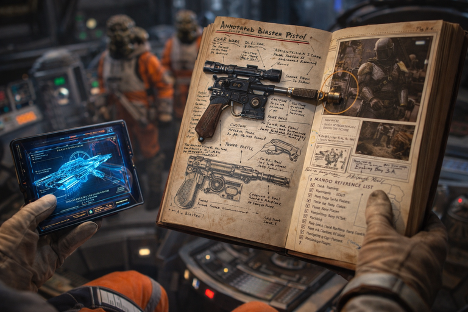
The focus on details sometimes gets mocked from the outside, but it plays a big part in keeping Star Wars communities active long after the credits roll. Fans do not just move on. They rewatch scenes with new context. They argue about small choices. They notice connections that only make sense years later.
This keeps conversations going. A new release does not close the discussion. It often reopens older ones. People bring up past moments, old designs, forgotten lines of dialogue. The story keeps unfolding, even when there is no new content for a while.
In the end, the obsession with details is less about being right and more about staying engaged. It is a way of spending time in the universe without needing constant new material. Details become entry points for conversation, debate, and shared memory.
That habit also shapes how fans move through the wider internet. Paying attention becomes normal. Checking sources becomes normal. Spotting small inconsistencies becomes part of how people decide what feels solid and what feels off. For a fandom built on layers of story and history, that way of seeing the world feels natural.