

Moving with the advent and expansion of new technology is something that has kept Disney ahead of the curve for decades, but with AI growing as fast as it is – and Disney being a hand-crafted, human-led creative company – it’s understandable that people might question the logic of working so closelty with AI, especially when Disney are so quick to go after any breaches of their IP, but speaking earlier this week on CNBC alongside OpenAI CEO Sam Altman, Bob Iger was quick to explain how ‘guardrails’ would be set up to ensure the dog wags the tail, and not the other way around.
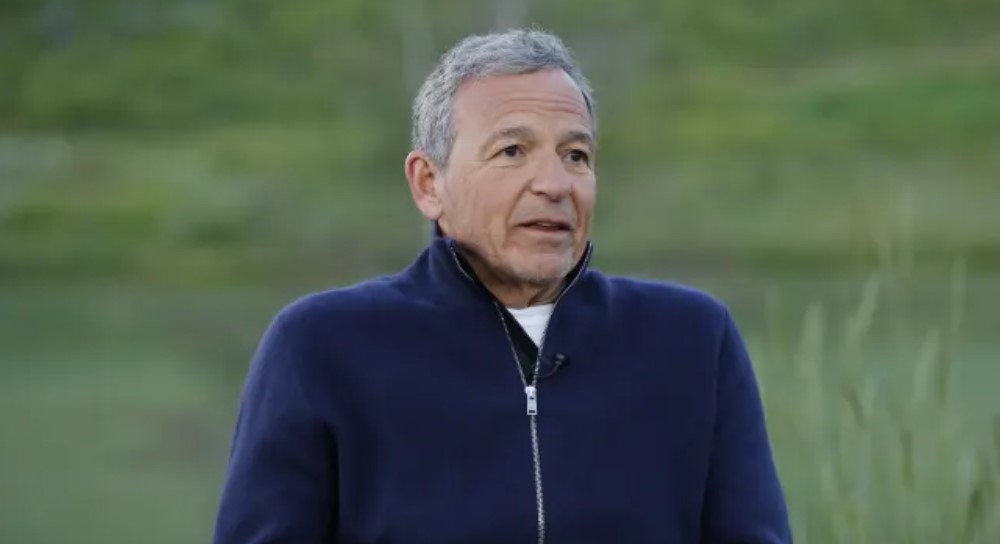
“We’ve always viewed technological advances as an opportunity, not a threat. First of all, you can’t do anything about it. No human generation has ever stood in the way of technological advance, and we don’t intend to try,” Iger said, noting that Disney was the first company to put its content on Apple’s iTunes store. “So we’ve always felt that if it’s going to happen, including disruption of our current business models, then we should get on board and figure out how we advantage our company and our shareholders, you know, by moving forward with a sense of optimism and being aggressive about it.
“If it’s going to happen regardless, then we’d rather participate in the rather dramatic growth, rather than just watching it happen and essentially being disrupted by it,” he continued. “So we think this is actually a way for us to be part of these developments, as opposed to be harmed by them.”
As for what consumers can expect with the Sora deal, Iger said that the deal encompasses some 200 characters, as well as props (like lightsabers) and worlds from Disney IP. Notably it will not include the voices of characters. Sora users will also be able to insert themselves into scenes. The deal is partially exclusive, meaning that Disney characters will be exclusive to Sora for a window (Iger suggested it is around a year).
“The demand for Disney characters in particular, from our users, is sort of off the charts,” Altman said, when asked if OpenAI is looking to cut deals with other entertainment companies. “So I won’t rule out anything in the future, but we think this alone is going to be a wonderful start for what our customers want to do when it comes to putting themselves in that one lightsaber fight from Star Wars, or making a Buzz Lightyear custom birthday video for their kid. I think this is going to be quite a big deal for our users.”
“This is a great opportunity for the company to enable consumers to engage with our characters on what is probably the most modern of technology and media platforms today, and it not only gives users an opportunity to do so, but it also is significant because in this deal, OpenAI is both respecting and valuing our creativity, both our characters, but also those that have created those characters,” Iger added. “So it gives us an opportunity to play a part in what is really breathtaking growth in AI and new forms of media and entertainment.
“We are not including name and likeness, nor are we including character voices. So in reality, this does not in any way represent a threat to the creators at all,” Iger continued. “In fact, the opposite. I think it honors them and respects them, in part because there’s a license fee associated with it. The other thing it does is it enables us to be comfortable that open AI is putting guardrails essentially around how these are used.”
“There will, of course, be guardrails,” Altman emphasized. “It’s very important that we enable Disney to set and evolve those guardrails over time.”