

Building Janix: How the capital city was created

- Advertisement -
- Advertisement -

Writing at StarWars.com, Lucas Seastrom delves into the creation of the capital city of Janix, from concept to design and execution, crafting a location distinct from other GFFA worlds like Coruscant or Daiyu, or the Blade Runneresque locations of other sci-fi projects, and as the article deftly ilustrates there was plenty of work that went into creating this unique Star Wars location.
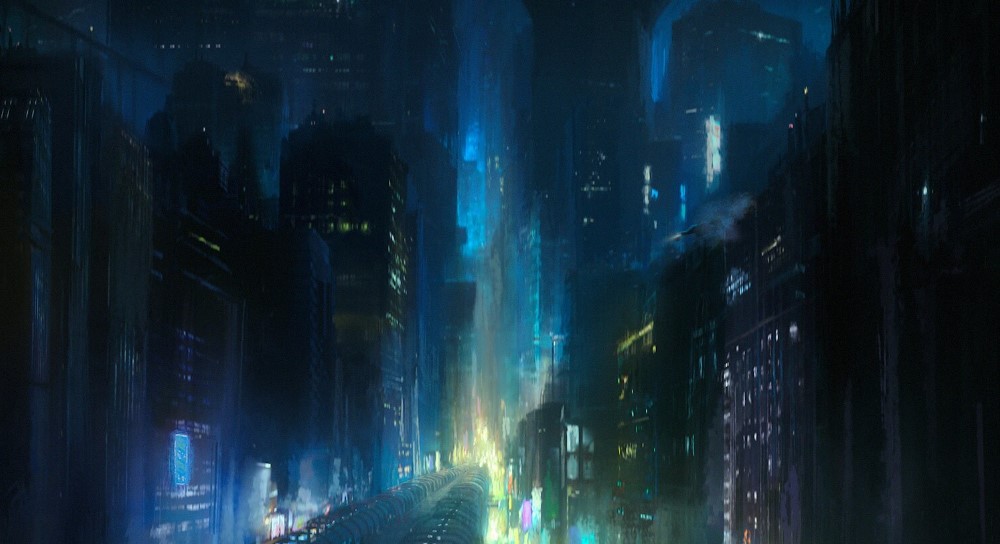
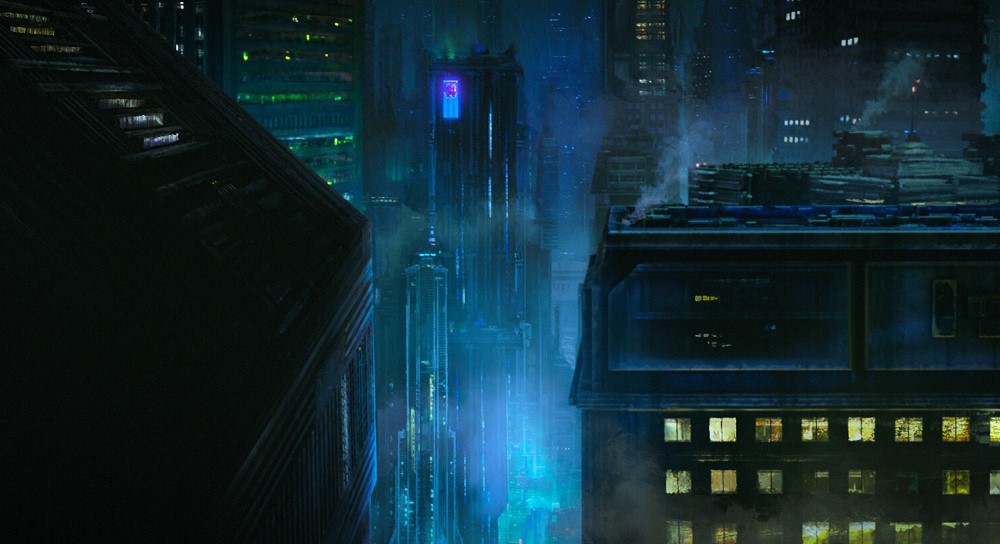
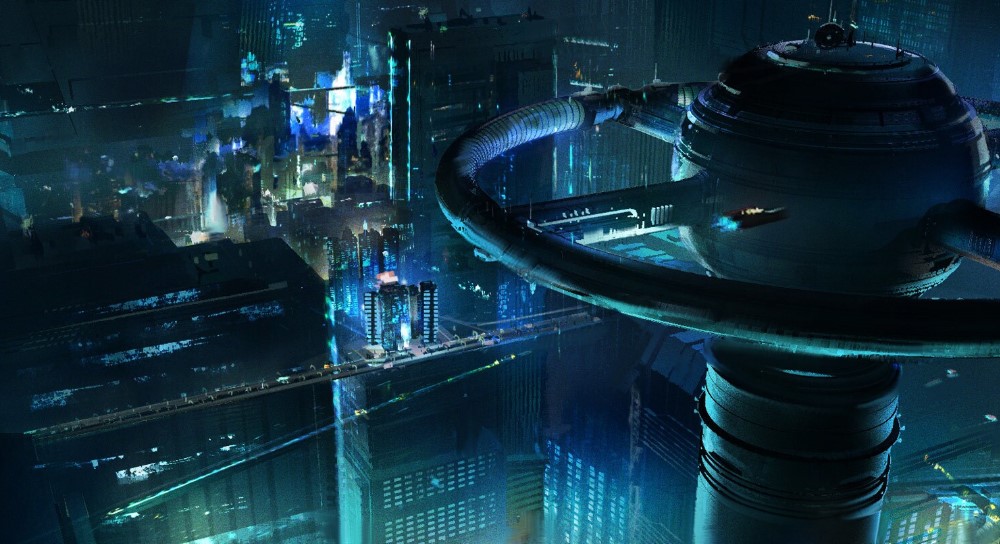
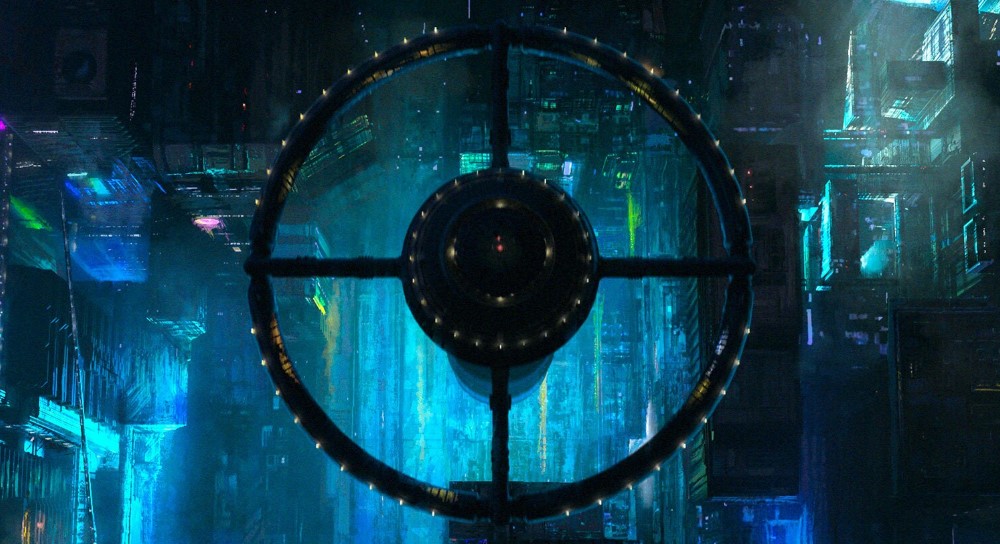
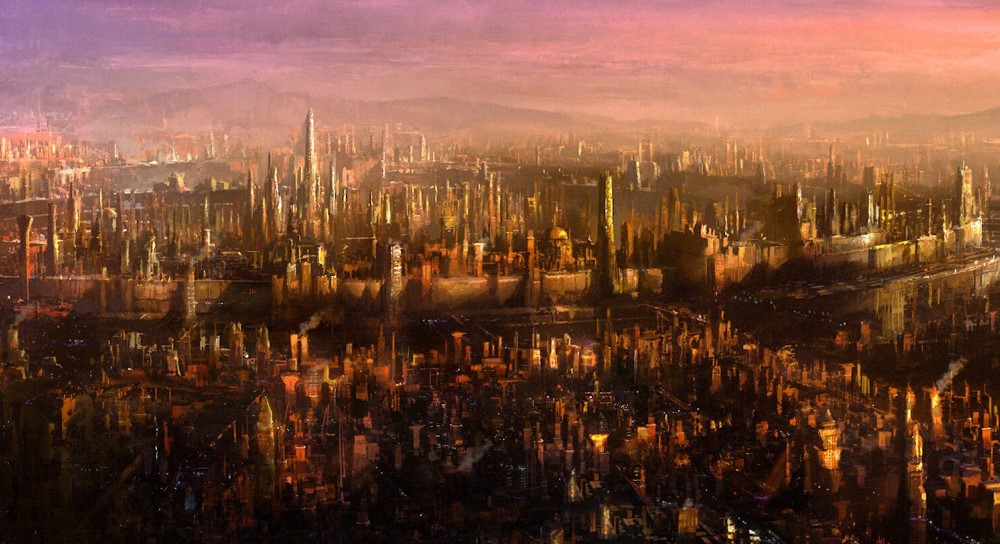
For early inspiration, series creator and Lucasfilm President Dave Filoni encouraged Art Director Andre Kirk and the team to explore retro-futuristic designs of the mid-20th century. “We looked at images of the sci-fi future that kids in the ‘50s and ‘60s were promised,” Kirk notes. Those helped inform the team’s approach to color choice and shape language, elements that combine to give Janix a distinct silhouette on a basic level. The result is a city that feels quite different from Coruscant’s vast, overwhelming presence, and instead carries a more provincial tone.

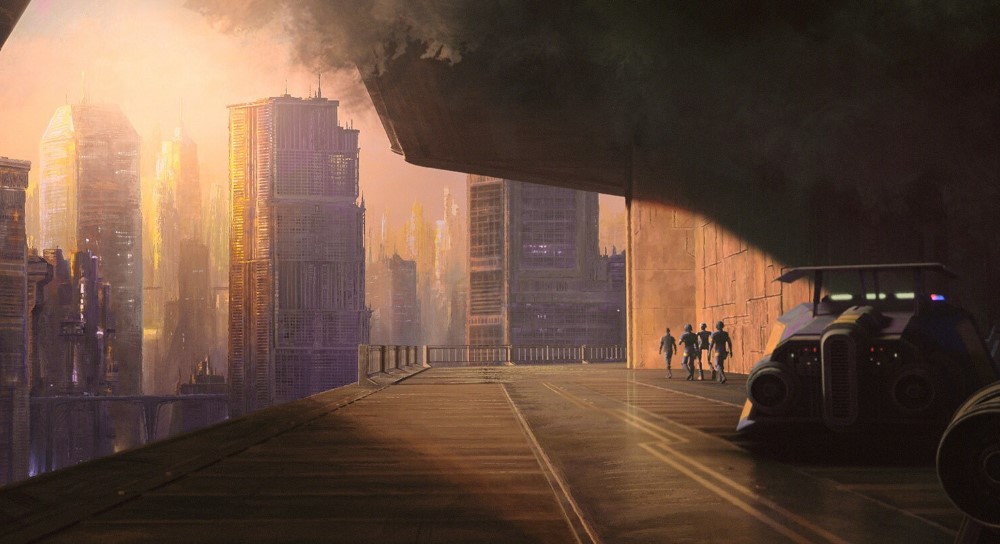
“It’s smaller than Coruscant,” says Kirk. “One level of the city is built over the previous one. Unlike Coruscant, where all the traffic is in the air, we wanted to try and bring it down to a ground level. There are streets, bridges, and trains that give it more of a terrestrial feel, which is something that we can relate to our daily life, but it’s still Star Wars.”

The designers also avoided Coruscant’s giant “megablocks” and explored how to make Janix feel uniquely grounded, including in the literal sense. “How does a building meet the ground?” Kirk explains. “Instead of just taking a building and jamming it into a flat surface, what kind of structure leads into the ground? A lot of thought went into how buildings integrate with the surface.”

Mark Newbold
Mark Newbold
Exploring the galaxy since 1978, Mark wrote his first fan fiction in '81 and been a presence online since webpage Fanta War in 1996. He currently contributes to ILM.com, SkywalkerSound.com and Starburst Magazine, having previously written for magazines and sites including Star Wars Insider, StarWars.com, Star Wars Encyclopedia, Lightsabre.co.uk, Jedi News, Jedi.net, Build The Millennium Falcon, Geeky Monkey, TV Film Memorabilia, Model and Collectors Mart, Star Trek The Official Magazine, Star Trek: TNZ and StarTrek.com. He is the only podcaster to have appeared on every Celebration podcast stage since it began in 2015, hosting it four times, the EiC and Daily Content Manager of Fantha Tracks and the co-host of Making Tracks, Canon Fodder and Start Your Engines on Fantha Tracks Radio.
- Advertisement -
- Advertisement -

Writing at StarWars.com, Lucas Seastrom delves into the creation of the capital city of Janix, from concept to design and execution, crafting a location distinct from other GFFA worlds like Coruscant or Daiyu, or the Blade Runneresque locations of other sci-fi projects, and as the article deftly ilustrates there was plenty of work that went into creating this unique Star Wars location.
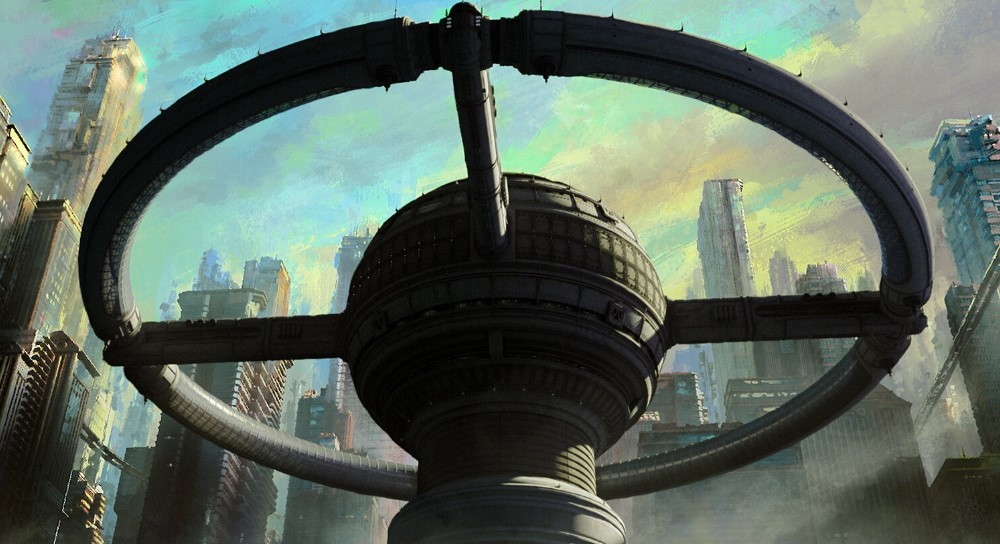
For early inspiration, series creator and Lucasfilm President Dave Filoni encouraged Art Director Andre Kirk and the team to explore retro-futuristic designs of the mid-20th century. “We looked at images of the sci-fi future that kids in the ‘50s and ‘60s were promised,” Kirk notes. Those helped inform the team’s approach to color choice and shape language, elements that combine to give Janix a distinct silhouette on a basic level. The result is a city that feels quite different from Coruscant’s vast, overwhelming presence, and instead carries a more provincial tone.

“It’s smaller than Coruscant,” says Kirk. “One level of the city is built over the previous one. Unlike Coruscant, where all the traffic is in the air, we wanted to try and bring it down to a ground level. There are streets, bridges, and trains that give it more of a terrestrial feel, which is something that we can relate to our daily life, but it’s still Star Wars.”

The designers also avoided Coruscant’s giant “megablocks” and explored how to make Janix feel uniquely grounded, including in the literal sense. “How does a building meet the ground?” Kirk explains. “Instead of just taking a building and jamming it into a flat surface, what kind of structure leads into the ground? A lot of thought went into how buildings integrate with the surface.”

Mark Newbold
Mark Newbold
Exploring the galaxy since 1978, Mark wrote his first fan fiction in '81 and been a presence online since webpage Fanta War in 1996. He currently contributes to ILM.com, SkywalkerSound.com and Starburst Magazine, having previously written for magazines and sites including Star Wars Insider, StarWars.com, Star Wars Encyclopedia, Lightsabre.co.uk, Jedi News, Jedi.net, Build The Millennium Falcon, Geeky Monkey, TV Film Memorabilia, Model and Collectors Mart, Star Trek The Official Magazine, Star Trek: TNZ and StarTrek.com. He is the only podcaster to have appeared on every Celebration podcast stage since it began in 2015, hosting it four times, the EiC and Daily Content Manager of Fantha Tracks and the co-host of Making Tracks, Canon Fodder and Start Your Engines on Fantha Tracks Radio.
- Advertisement -
- Advertisement -
- Advertisement -