
Andor: Ghor Blimey! How a new language was created for the people of Ghorman

- Advertisement -
- Advertisement -

Dialect coach and conlang creator Marina Tyndall may well be one of the hidden heroes of Andor, but the work she did – creating not only the languages of Kenari and Aldhani in season one but the unforgettable language of the Ghor in season 2 – demands to be heard, and here Esquire dive into how she brought this Gallic-sounding language to life.
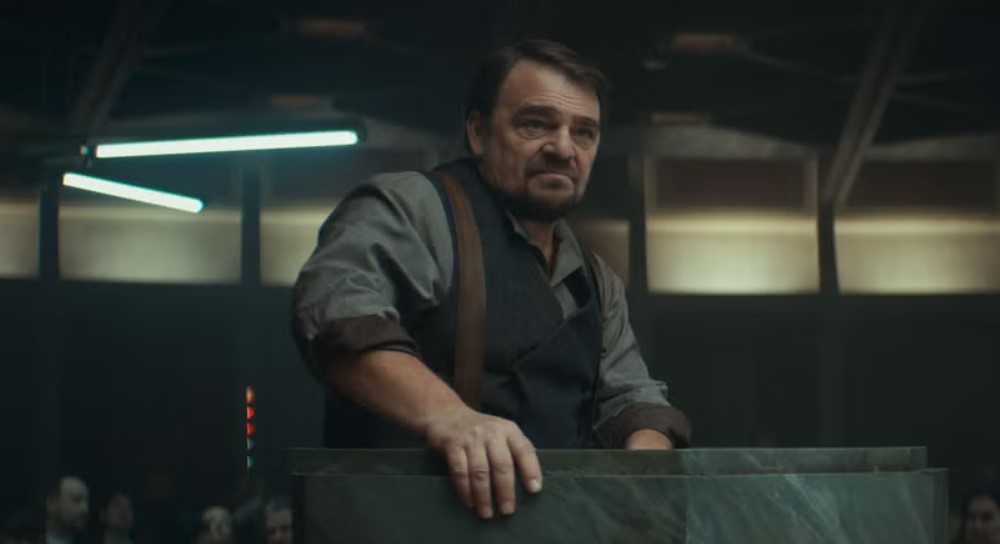
“This conlang of Ghorman was loosely inspired by the inventory of terrestrial French,” Tyndall explains to me. “It shares over 85 percent of the phonology of French.” She adds that while French is the main foundation for Ghorman, the Ghor language does not contain a single word of French. “You might get a flicker of recognition; you catch a syllable that resembles a French syllable,” she says. “But it’s a false friend.”

Hailing from London, Tyndall is a dialect coach and constructed-language creator with a growing list of credits in Hollywood. She’s applied her craft for movies such as Inferno (2016), Tenet (2020), Death on the Nile (2022), and TV shows like Killing Eve. Since 2016, Tyndall has contributed to the Star Wars franchise, beginning with Rogue One: A Star Wars Story and more recently with Andor. In season 1, Tyndall formulated the Kenari and Aldhani languages. For season 2, which concluded in May, she created Ghorman entirely from scratch.

“The starting point was that we wanted all of the Ghorman characters to sound approximately alike when speaking English,” Tyndall says. It was important that the characters and their actors “share a broad, phonetic, and articulatory base with one another.”

SourceEsquire
Mark Newbold
Mark Newbold
Exploring the galaxy since 1978, Mark wrote his first fan fiction in '81 and been a presence online since his first webpage Fanta War in 1996. He currently contributes to ILM.com and SkywalkerSound.com, having previously written for Star Wars Insider, StarWars.com, Star Wars Encyclopedia, Build The Millennium Falcon, Starburst Magazine, Geeky Monkey, TV Film Memorabilia and Model and Collectors Mart. He is a four-time Star Wars Celebration Stage host (the only podcaster to have appeared on every Celebration podcast stage since it began in 2015), the Daily Content Manager of Fantha Tracks and the co-host of Making Tracks, Canon Fodder and Start Your Engines on Fantha Tracks Radio.
- Advertisement -
- Advertisement -

Dialect coach and conlang creator Marina Tyndall may well be one of the hidden heroes of Andor, but the work she did – creating not only the languages of Kenari and Aldhani in season one but the unforgettable language of the Ghor in season 2 – demands to be heard, and here Esquire dive into how she brought this Gallic-sounding language to life.

“This conlang of Ghorman was loosely inspired by the inventory of terrestrial French,” Tyndall explains to me. “It shares over 85 percent of the phonology of French.” She adds that while French is the main foundation for Ghorman, the Ghor language does not contain a single word of French. “You might get a flicker of recognition; you catch a syllable that resembles a French syllable,” she says. “But it’s a false friend.”

Hailing from London, Tyndall is a dialect coach and constructed-language creator with a growing list of credits in Hollywood. She’s applied her craft for movies such as Inferno (2016), Tenet (2020), Death on the Nile (2022), and TV shows like Killing Eve. Since 2016, Tyndall has contributed to the Star Wars franchise, beginning with Rogue One: A Star Wars Story and more recently with Andor. In season 1, Tyndall formulated the Kenari and Aldhani languages. For season 2, which concluded in May, she created Ghorman entirely from scratch.

“The starting point was that we wanted all of the Ghorman characters to sound approximately alike when speaking English,” Tyndall says. It was important that the characters and their actors “share a broad, phonetic, and articulatory base with one another.”

SourceEsquire
Mark Newbold
Mark Newbold
Exploring the galaxy since 1978, Mark wrote his first fan fiction in '81 and been a presence online since his first webpage Fanta War in 1996. He currently contributes to ILM.com and SkywalkerSound.com, having previously written for Star Wars Insider, StarWars.com, Star Wars Encyclopedia, Build The Millennium Falcon, Starburst Magazine, Geeky Monkey, TV Film Memorabilia and Model and Collectors Mart. He is a four-time Star Wars Celebration Stage host (the only podcaster to have appeared on every Celebration podcast stage since it began in 2015), the Daily Content Manager of Fantha Tracks and the co-host of Making Tracks, Canon Fodder and Start Your Engines on Fantha Tracks Radio.
- Advertisement -
- Advertisement -
- Advertisement -