

Wojna gwiazd (War of the Stars)
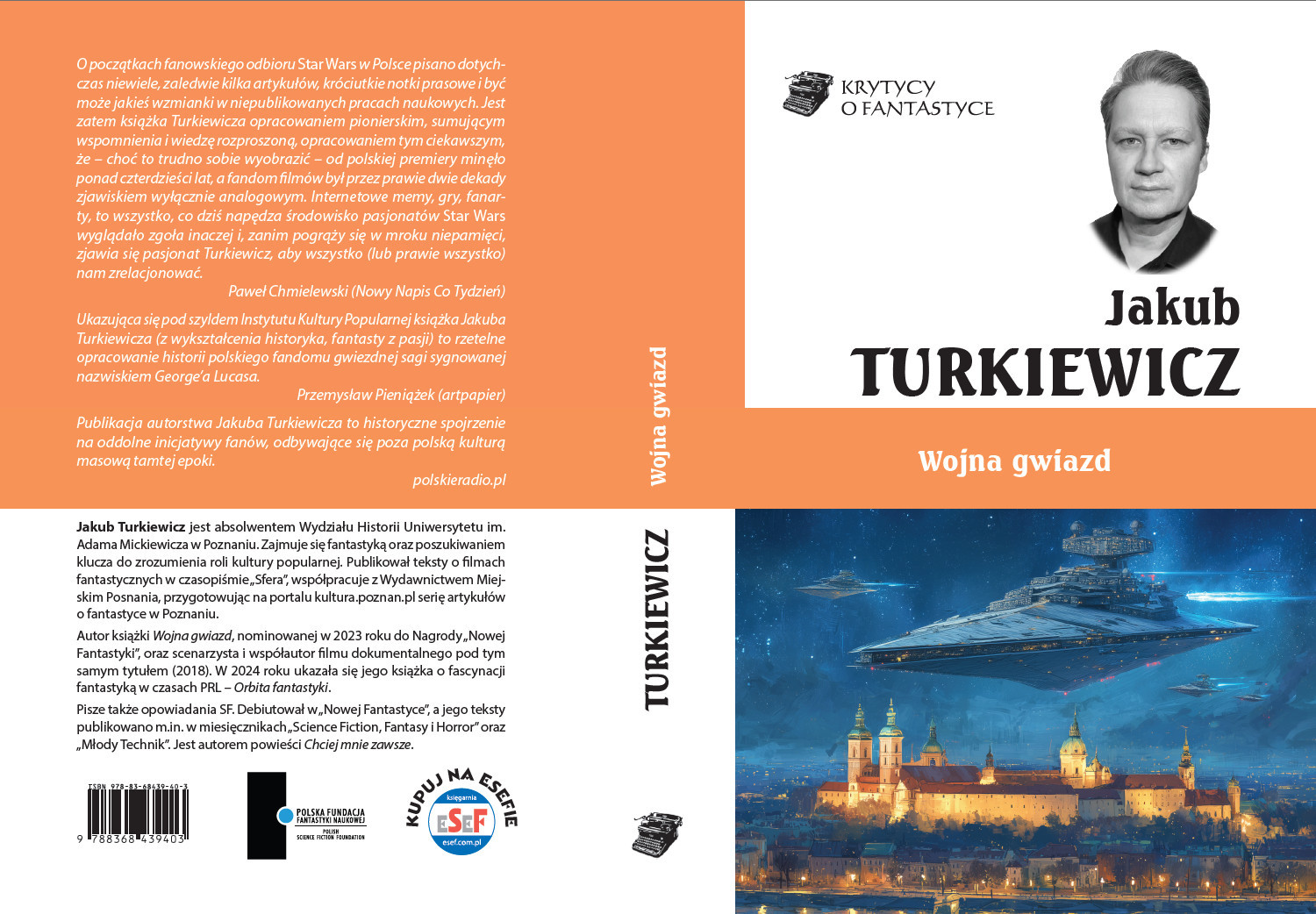
Jakub Turkiewicz’s book is unique because its author combines the expertise and craft of a historian with the vast knowledge of a longtime Star Wars fan, who knows the fandom community intimately and multi-dimensionally, while simultaneously maintaining the perspective of a scholar who observes and thoroughly analyzes selected phenomena and places them within the broader contexts of post-war Polish history and popular culture.
As a result, the presented book is a meticulous study not only of the history of fandom and the Star Wars phenomenon in Poland, but also of the culture of the Polish People’s Republic, and is an important voice in this research. At the same time, its form is light and enriched with rich iconographic material, which definitely makes the reading experience easier and more enjoyable. I think it’s worth experiencing for yourself.
Author: Jakub Turkiewicz
Publisher: Stalker Books
ISBN: 9788368439403
Page Count: 430 pages
Release date: April 10, 2026
For Western fans, the history of Star Wars in the late 1970s and 1980s is defined by official Kenner action figures, packed suburban multiplexes, and relentless commercial merchandising. But behind the Iron Curtain, in the People’s Republic of Poland (PRL), experiencing George Lucas’s space opera was a wildly different story. Jakub Turkiewicz’s book, Wojna gwiazd (“War of the Stars“) — published recently in an expanded second edition by Stalker Books — offers a fascinating, deeply researched, and intensely personal window into how a global pop-culture phenomenon took root inside a grey, authoritarian state. As niche as it might sound, the history of Star Wars fandom in Poland is a topic that goes well beyond fan culture and collecting. It captures the spirit of a bygone era and offers a vastly different perspective on the influence of a cultural and cinematic phenomenon such as Star Wars.
Turkiewicz’s name might sound familiar to some – he is the writer of the 2018 documentary film of the same title, now available for free on YouTube with English language subtitles. The book’s expanded foreword sets an intimate, evocative tone: Turkiewicz recalls the distinct sensory environment of cold 1970s Polish movie halls, the smell of wool coats, and the pure electric shock of hearing John Williams’s fanfare as a seven-year-old boy in 1979. In a society where the Communist government actively sought to raise youth into obedient, uniform workers, science fiction offered an intoxicating burst of color, imagination, and spiritual freedom.
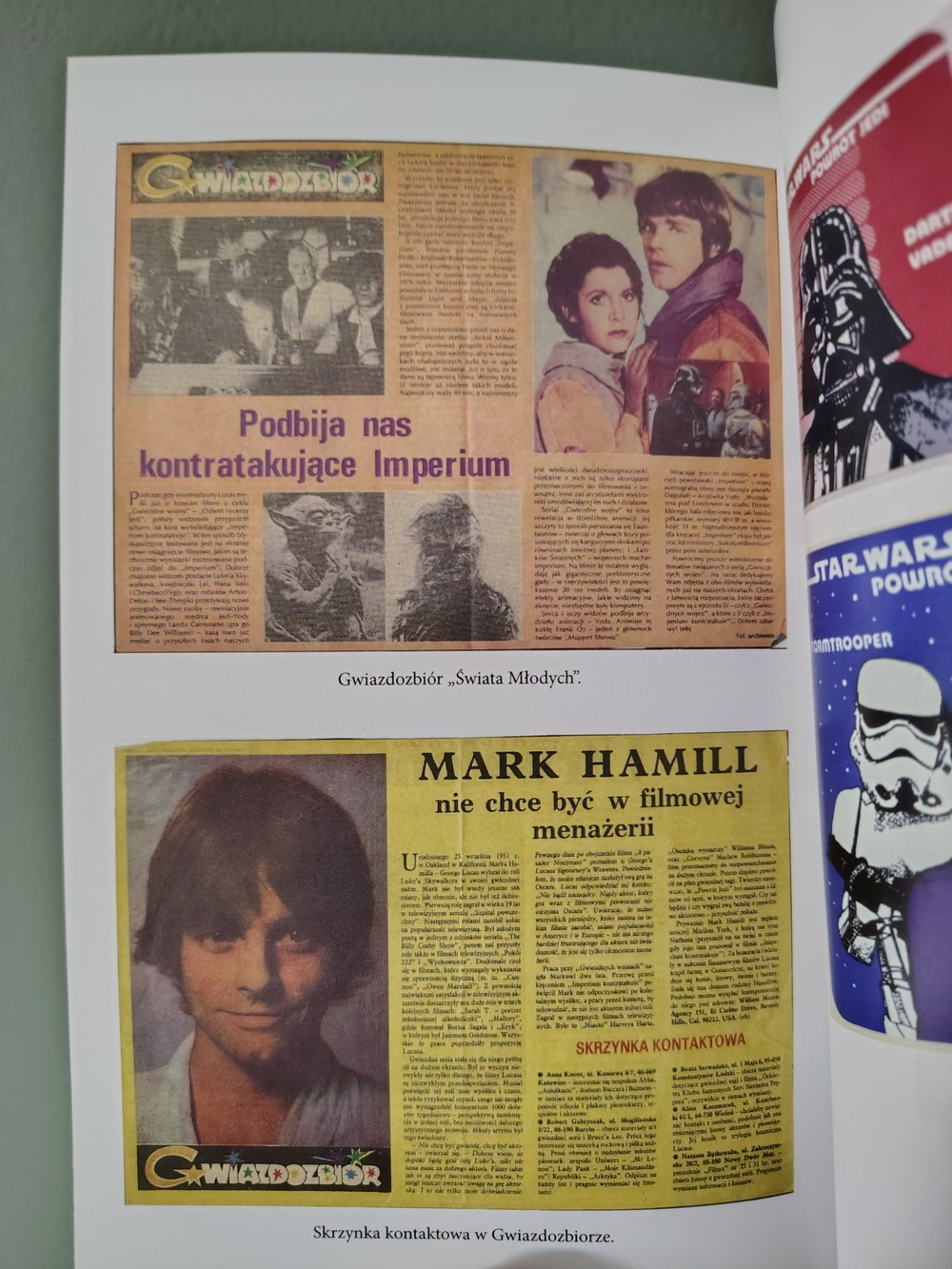
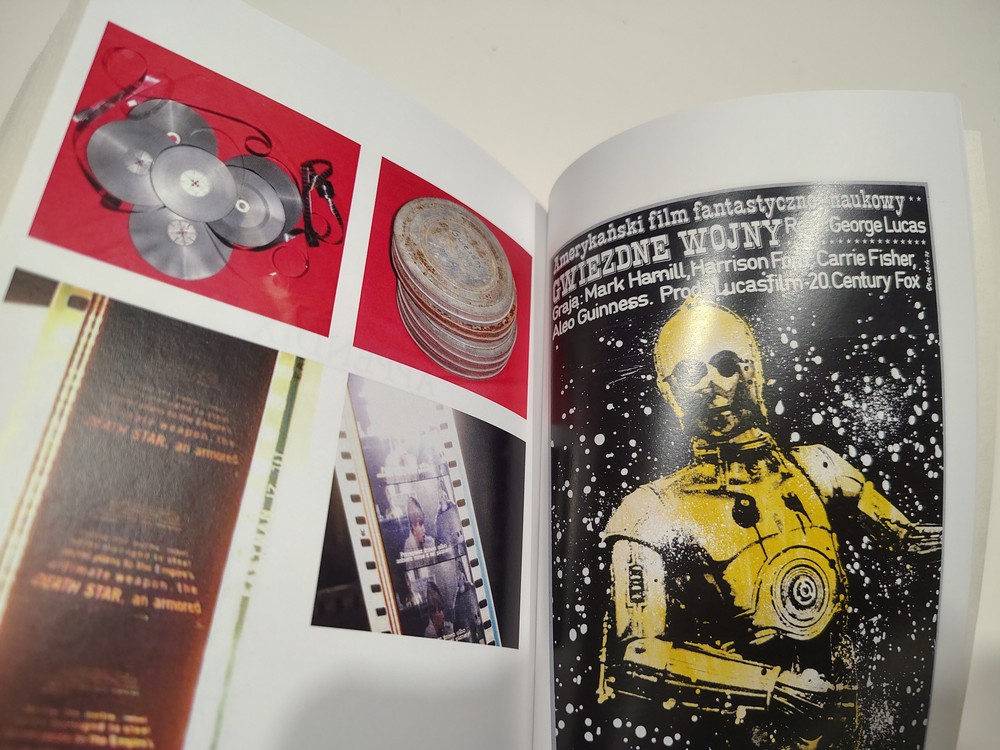
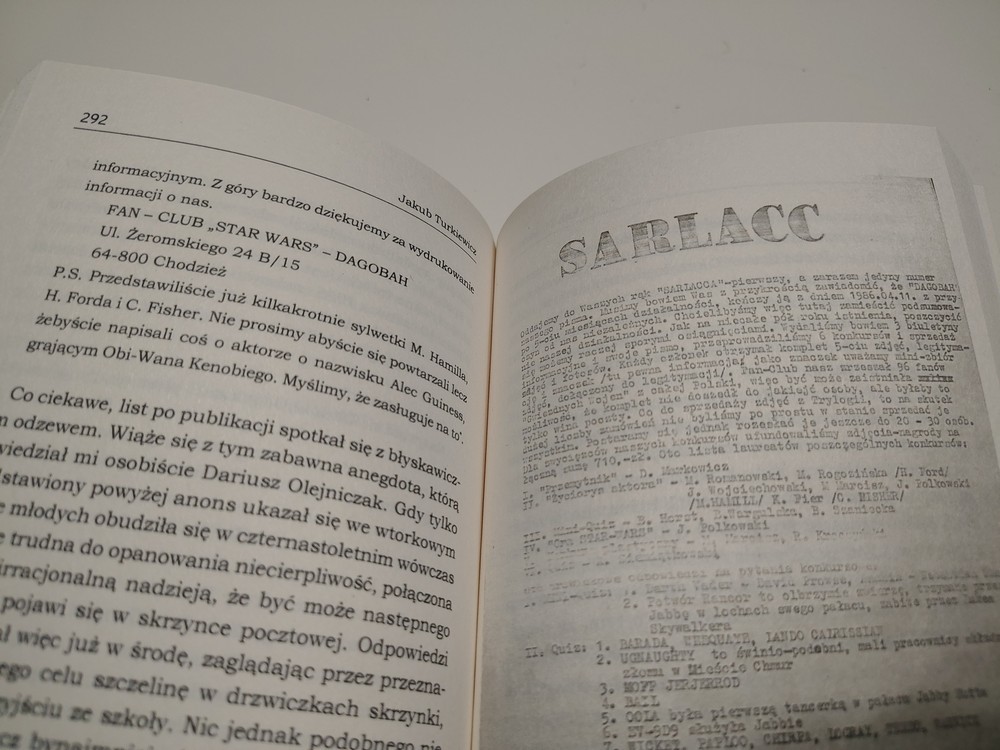
Turkiewicz shares a poignant, highly relatable memory from a 1984 trip to West Germany: standing mesmerized before store shelves loaded with pristine, official Kenner figures, only to realize that buying just a few would swallow an entire month’s salary for a Polish worker. This shocking economic gulf became a quiet, defining awakening regarding the absurdity and oppression of the regime back home.
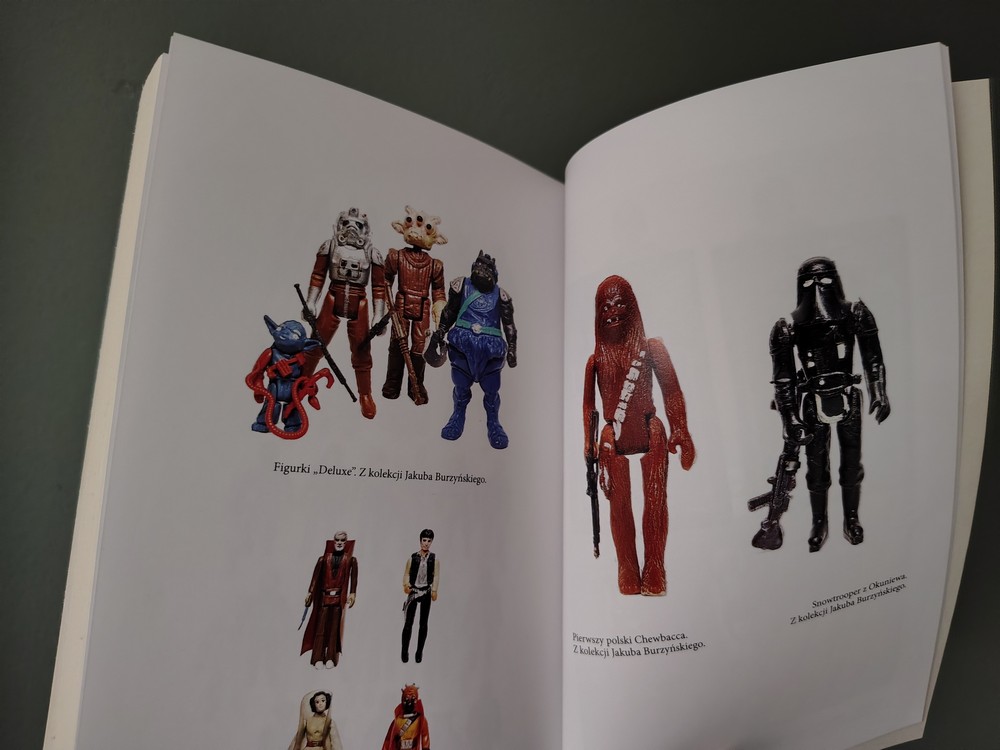
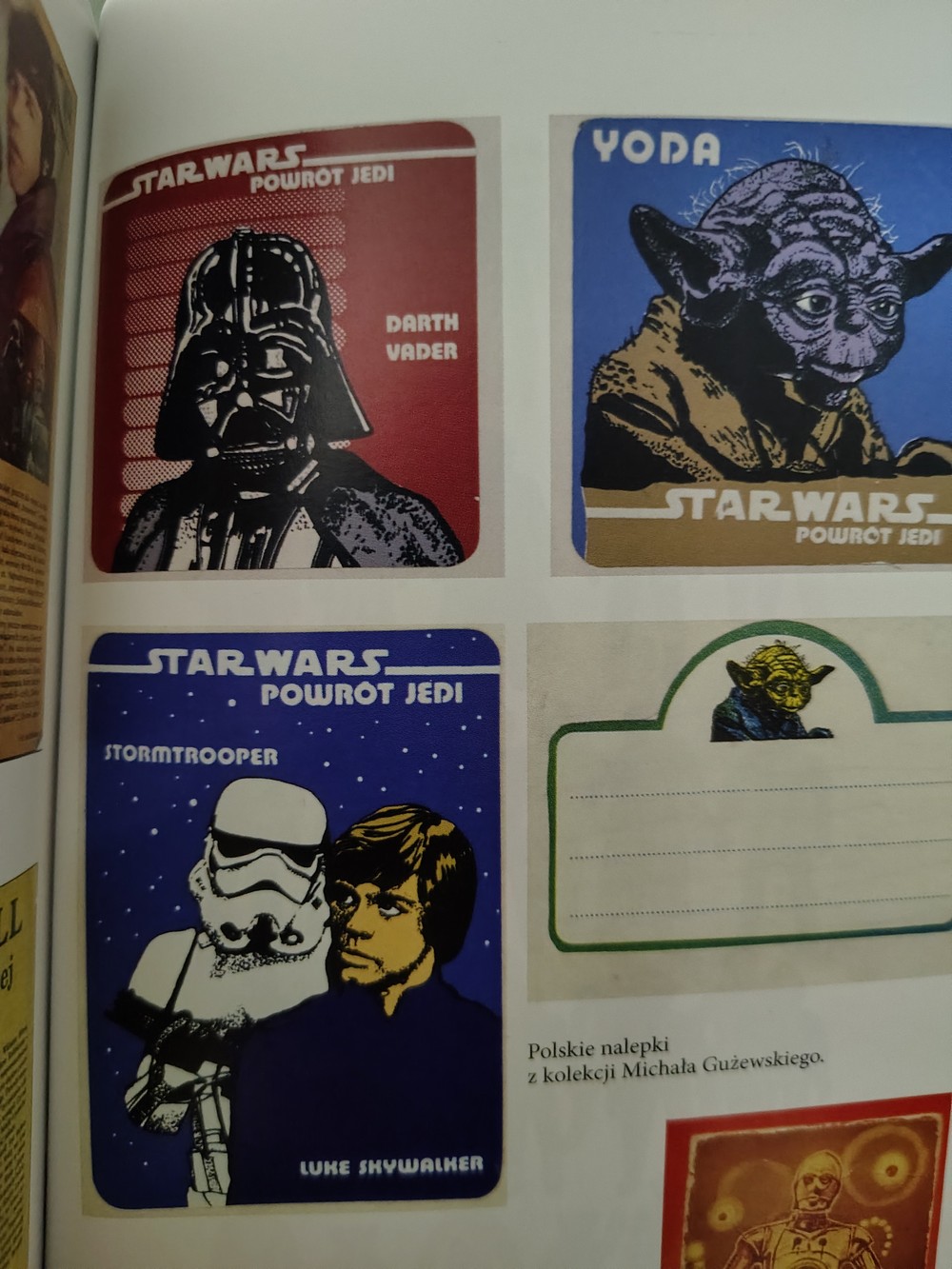
Unable to access official Western merchandise, Polish fans turned scarcity into resourcefulness. Turkiewicz details how an entire fan ecosystem was built from scratch. Devotees meticulously clipped photos from youth periodicals, drew flipbook animations in notebook margins, translated books informally, and produced unauthorized fan-club printings. The book offeres a fascinating chronicle of bootleg Polish Star Wars toys—most famously the articulated and static rubber figures cast quietly in Gdańsk workshops. These toys were sold at private stalls or seaside kiosks, often passed off vaguely as “monster” figures to bypass official scrutiny. Turkiewicz also tracks the rise of Poland’s earliest fan clubs, along with pioneering fanzines produced with much effort and dedication during times when even copy machines were a thing of luxury.
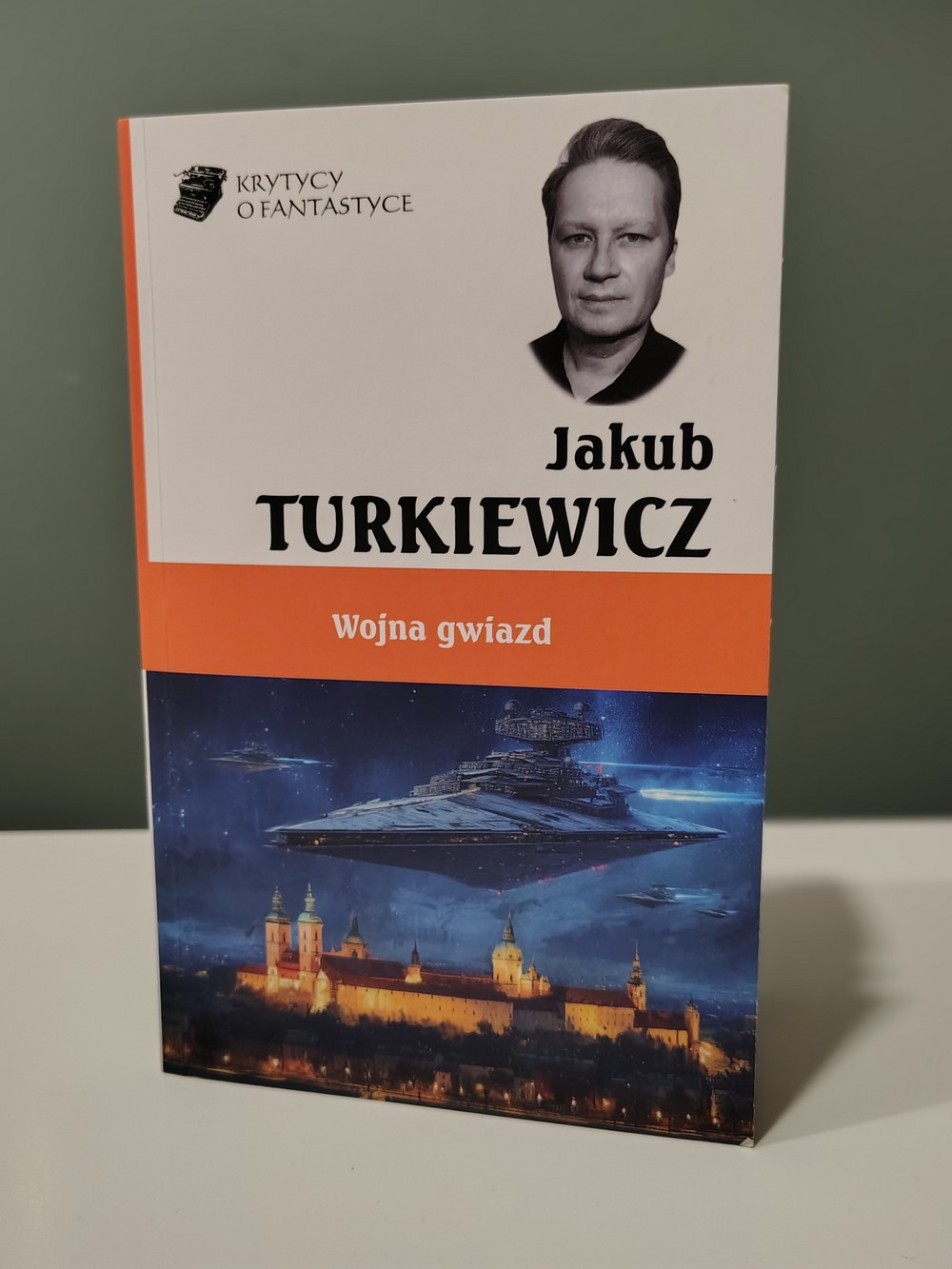
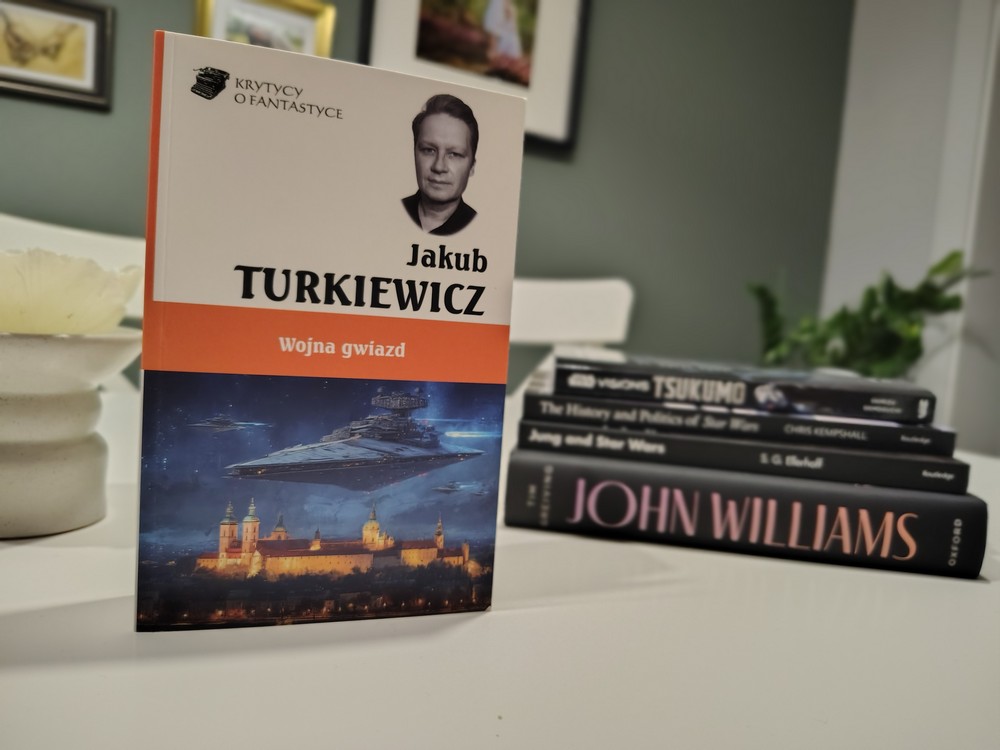
Beyond nostalgia, Wojna gwiazd stands out for its impressive methodology. Turkiewicz combines archival research—excavating vintage Polish film press, fanzines, and statistical yearbooks—with original interviews. In its concluding chapters, the book elevates the narrative through sociology and semiotics, analyzing crude plastic toys and fragile paper cutouts as “semiophores”—meaning-bearing objects that allowed an isolated generation to connect with a broader, freer world.
For international readers and pop-culture historians unfamiliar with the Eastern Bloc context, Wojna gwiazd is an eye-opening read. It proves that Star Wars was never merely about Hollywood entertainment or toy sales; in Communist Poland, it served as a vital catalyst for community, creativity, and personal agency in an environment meant to suppress all three. Turkiewicz has crafted a warm, informative, and essential chronicle of how a galaxy far, far away helped light up a world behind the Iron Curtain. It is a massive 400-page in-depth research with a healthy dose of nostalgia and all that the book needs now is an English language translation in order to reach wider audience!