


Learn more about the VFX of Tron: Ares and The Dinosaurs at ILM.com

- Advertisement -
- Advertisement -

My latest two articles land over at ILM.com, with my look at the visual effects of Tron: Ares, and how the team at ILM London brought the creatures of the Triassic, Jurassic and Cretaceous Periods back to life in The Dinosaurs, from executive producer Steven Spielberg. First, Tron: Ares and a journey out of the Grid.
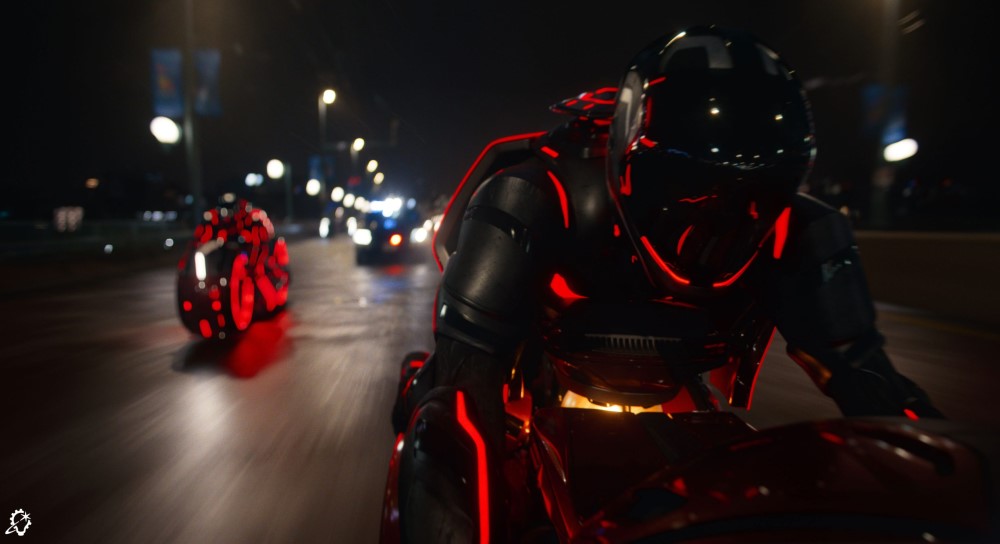
“The goal of the animation department was figuring out how we can make things look like they belong to the Tron aesthetic,” says Mike Beaulieu, “but exist in the real world, which is something we’ve never seen before in a Tron film. You always saw those vehicles in the Grid. It was the early days of computer animation, and some of the things the bikes did, like turning 90 degrees in a one-frame turn, we couldn’t do in the real world. If the bikes turned that quickly, we’d have lots of injured actors, so there was no way to marry the physics to something that stylized.”

“We needed to make sure that when the Light Cycle and the Recognizer were printed into the real world, the designs were upgraded because they needed to feel believable,” adds Papaix. “For example, the Recognizer had engines because we now had to show how this massive thing flies.”

Tron arrived in an era when visual effects had captured the imagination of audiences worldwide, thanks to films like Star Trek II: The Wrath of Khan (1982), which landed in cinemas a week after Tron in 1982 and featured its own groundbreaking CG effect in the fractally-created landscape shown in the Genesis sequence. ILM was breaking ground with every project they participated in, but the company had never entered the Grid – until now.

Next, The Dinosaurs and a trip back into the past.
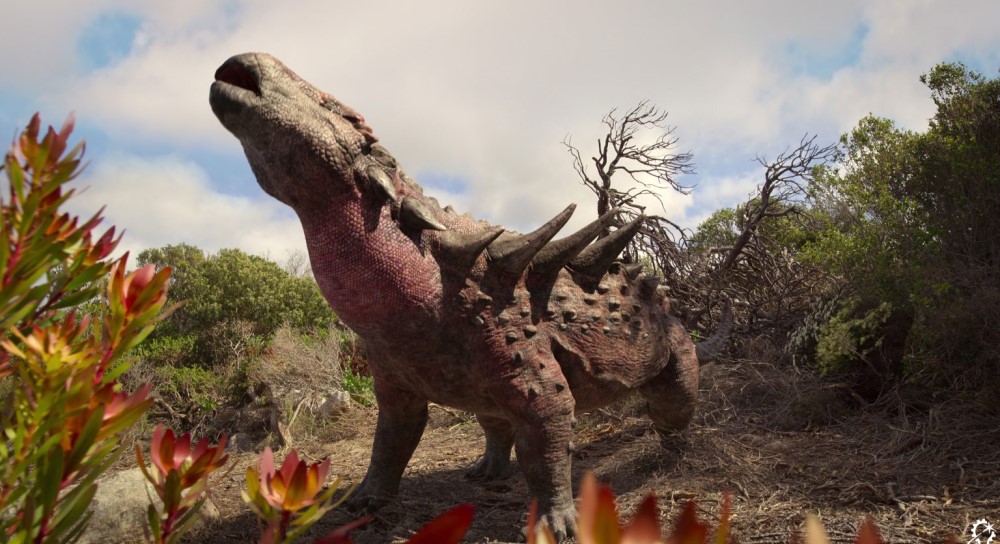
The years between the two sister projects also saw advancements in knowledge regarding these incredible creatures, something the team was keenly aware of. “In the world of paleontology, new things are always being discovered,” explains Mitchell. “For example, some people now believe these creatures had hair and feathers, so there were a few changes like that.”

“We’re used to feathers being associated with dinosaurs like the T. rex,” Moncur notes, “but I didn’t realize there were different types of feathers. There was an early proto-feather that we had to work into our system across multiple creatures.” That meant changes to their systems and rigs, as Mitchell explains. “Our feather system had been updated so we could produce better results there, so we took how they used to look and updated them.”

In a production with so many moving parts, including filming around the globe while visual effects work pushed on, these “new” discoveries from millions of years ago could have a very tangible effect, as Waite reveals. “I remember we had to change the gait of a dinosaur’s walk because they’d found new footprints and extrapolated that they walked slightly differently than we previously thought.”

SourceILM.com
Mark Newbold
Mark Newbold
Exploring the galaxy since 1978, Mark wrote his first fan fiction in '81 and been a presence online since webpage Fanta War in 1996. He currently contributes to ILM.com, SkywalkerSound.com and Starburst Magazine, having previously written for magazines and sites including Star Wars Insider, StarWars.com, Star Wars Encyclopedia, Lightsabre.co.uk, Jedi News, Jedi.net, Build The Millennium Falcon, Geeky Monkey, TV Film Memorabilia, Model and Collectors Mart, Star Trek The Official Magazine, Star Trek: TNZ and StarTrek.com. He is the only podcaster to have appeared on every Celebration podcast stage since it began in 2015, hosting it four times, the EiC and Daily Content Manager of Fantha Tracks and the co-host of Making Tracks, Canon Fodder and Start Your Engines on Fantha Tracks Radio.
- Advertisement -
- Advertisement -

My latest two articles land over at ILM.com, with my look at the visual effects of Tron: Ares, and how the team at ILM London brought the creatures of the Triassic, Jurassic and Cretaceous Periods back to life in The Dinosaurs, from executive producer Steven Spielberg. First, Tron: Ares and a journey out of the Grid.

“The goal of the animation department was figuring out how we can make things look like they belong to the Tron aesthetic,” says Mike Beaulieu, “but exist in the real world, which is something we’ve never seen before in a Tron film. You always saw those vehicles in the Grid. It was the early days of computer animation, and some of the things the bikes did, like turning 90 degrees in a one-frame turn, we couldn’t do in the real world. If the bikes turned that quickly, we’d have lots of injured actors, so there was no way to marry the physics to something that stylized.”

“We needed to make sure that when the Light Cycle and the Recognizer were printed into the real world, the designs were upgraded because they needed to feel believable,” adds Papaix. “For example, the Recognizer had engines because we now had to show how this massive thing flies.”

Tron arrived in an era when visual effects had captured the imagination of audiences worldwide, thanks to films like Star Trek II: The Wrath of Khan (1982), which landed in cinemas a week after Tron in 1982 and featured its own groundbreaking CG effect in the fractally-created landscape shown in the Genesis sequence. ILM was breaking ground with every project they participated in, but the company had never entered the Grid – until now.

Next, The Dinosaurs and a trip back into the past.

The years between the two sister projects also saw advancements in knowledge regarding these incredible creatures, something the team was keenly aware of. “In the world of paleontology, new things are always being discovered,” explains Mitchell. “For example, some people now believe these creatures had hair and feathers, so there were a few changes like that.”

“We’re used to feathers being associated with dinosaurs like the T. rex,” Moncur notes, “but I didn’t realize there were different types of feathers. There was an early proto-feather that we had to work into our system across multiple creatures.” That meant changes to their systems and rigs, as Mitchell explains. “Our feather system had been updated so we could produce better results there, so we took how they used to look and updated them.”

In a production with so many moving parts, including filming around the globe while visual effects work pushed on, these “new” discoveries from millions of years ago could have a very tangible effect, as Waite reveals. “I remember we had to change the gait of a dinosaur’s walk because they’d found new footprints and extrapolated that they walked slightly differently than we previously thought.”

SourceILM.com
Mark Newbold
Mark Newbold
Exploring the galaxy since 1978, Mark wrote his first fan fiction in '81 and been a presence online since webpage Fanta War in 1996. He currently contributes to ILM.com, SkywalkerSound.com and Starburst Magazine, having previously written for magazines and sites including Star Wars Insider, StarWars.com, Star Wars Encyclopedia, Lightsabre.co.uk, Jedi News, Jedi.net, Build The Millennium Falcon, Geeky Monkey, TV Film Memorabilia, Model and Collectors Mart, Star Trek The Official Magazine, Star Trek: TNZ and StarTrek.com. He is the only podcaster to have appeared on every Celebration podcast stage since it began in 2015, hosting it four times, the EiC and Daily Content Manager of Fantha Tracks and the co-host of Making Tracks, Canon Fodder and Start Your Engines on Fantha Tracks Radio.
- Advertisement -
- Advertisement -
- Advertisement -