

The Art Directors Guild take a look into the incredible design work that went into bringing the debut season of Star Wars: Andor to the screen. Here, Production Designer Luke Hull discusses how he came onto the project and helped realise the grittier, grounded style that Andor is known for.
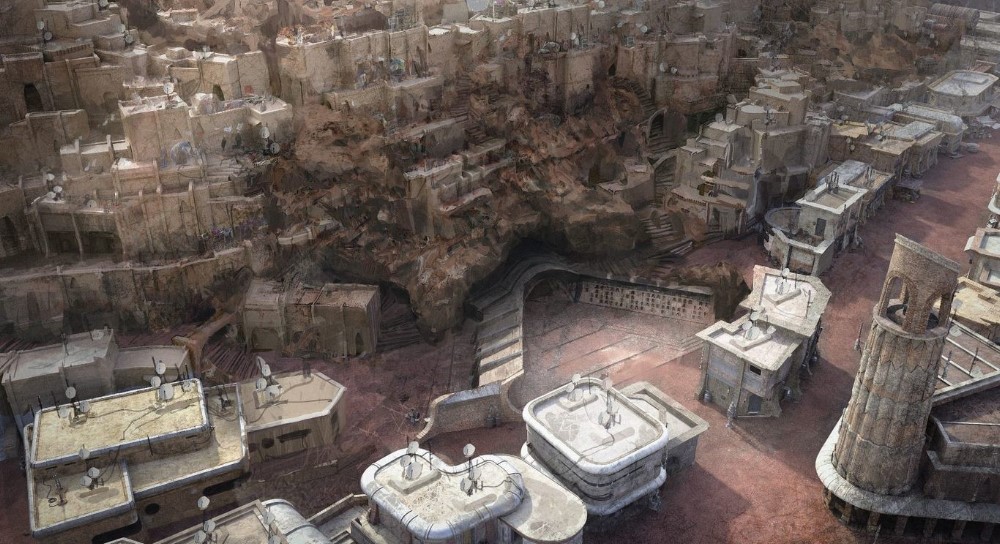
(I)n 2019 when I was offered the chance to meet Tony Gilroy to discuss a new Star Wars streaming series that would be a prequel of Rogue One, I was not quite sure what that would lead to. As it turns out, it has become one of the most freely creative projects I have ever been allowed to design. It’s voluminous in content and sometimes seemingly impossible, especially making it during a pandemic, but it’s also been a very exciting and collaborative process. I was concerned at first that Lucasfilm would be precious over the look of such a successful franchise and I might find designing Andor frustrating, but in total contrast, after setting out our stall for the grittier look of the show, I have received nothing but support. It’s now 2023 and my team and I are halfway through the second and final season of Andor. I still speak to Tony nearly every day to push ideas back-and-forth and everything we’re designing is totally fresh and new from season one.
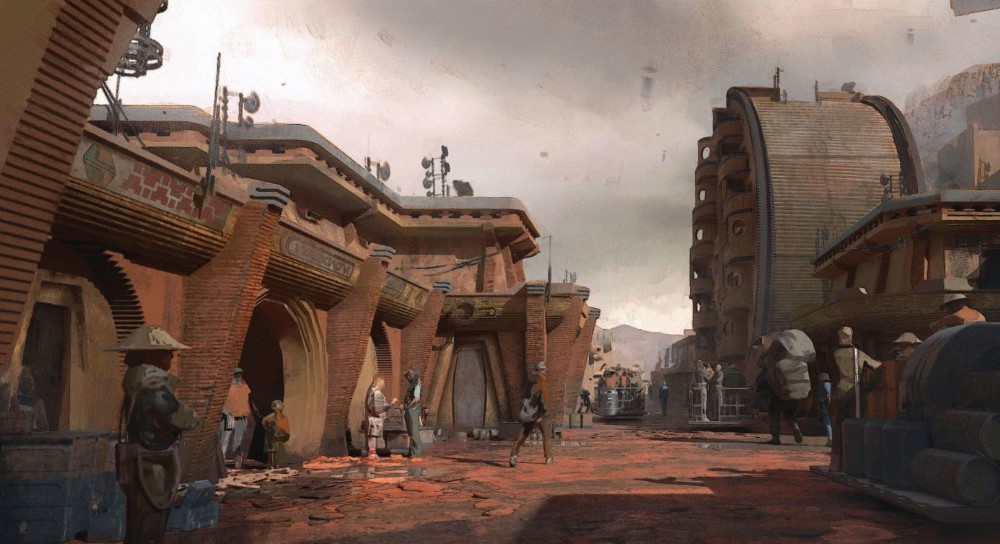
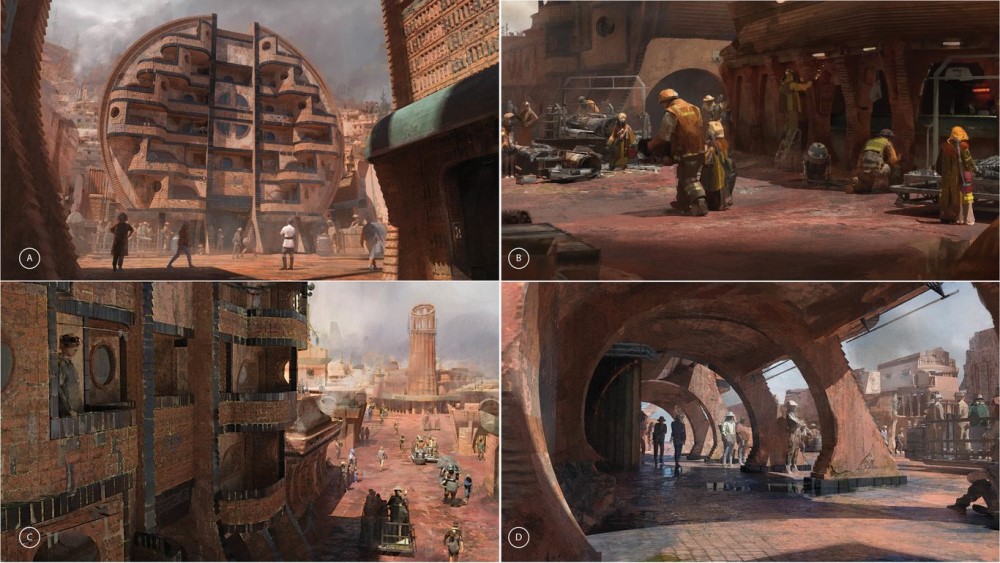
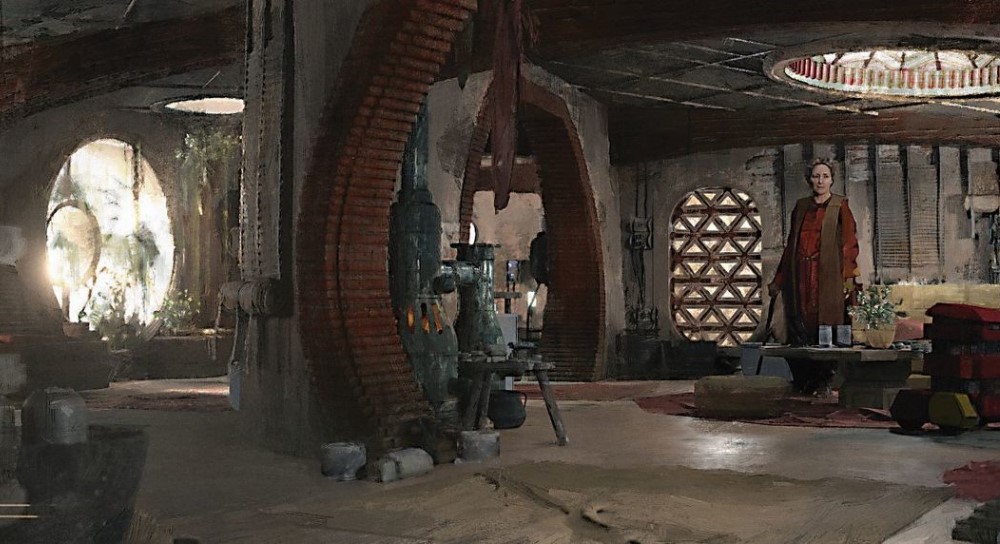
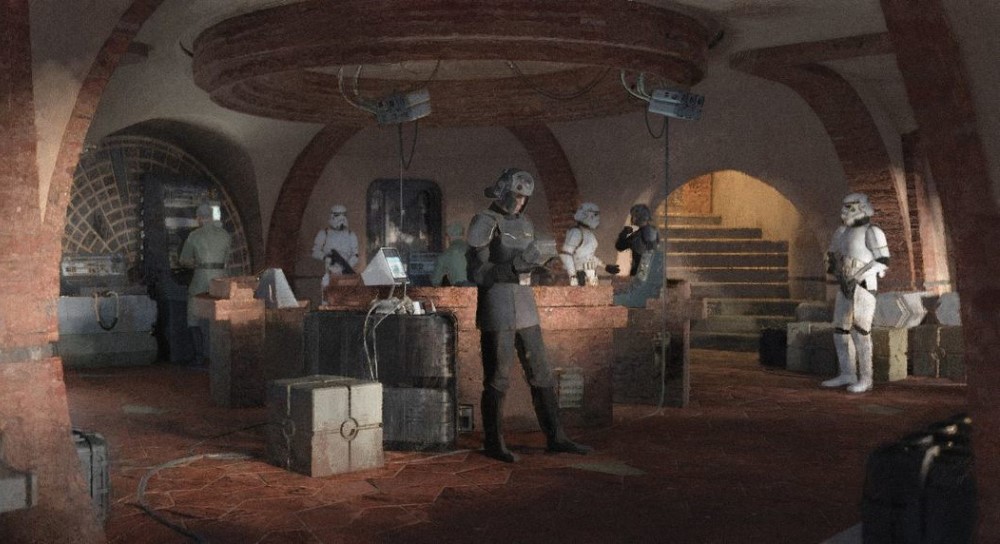

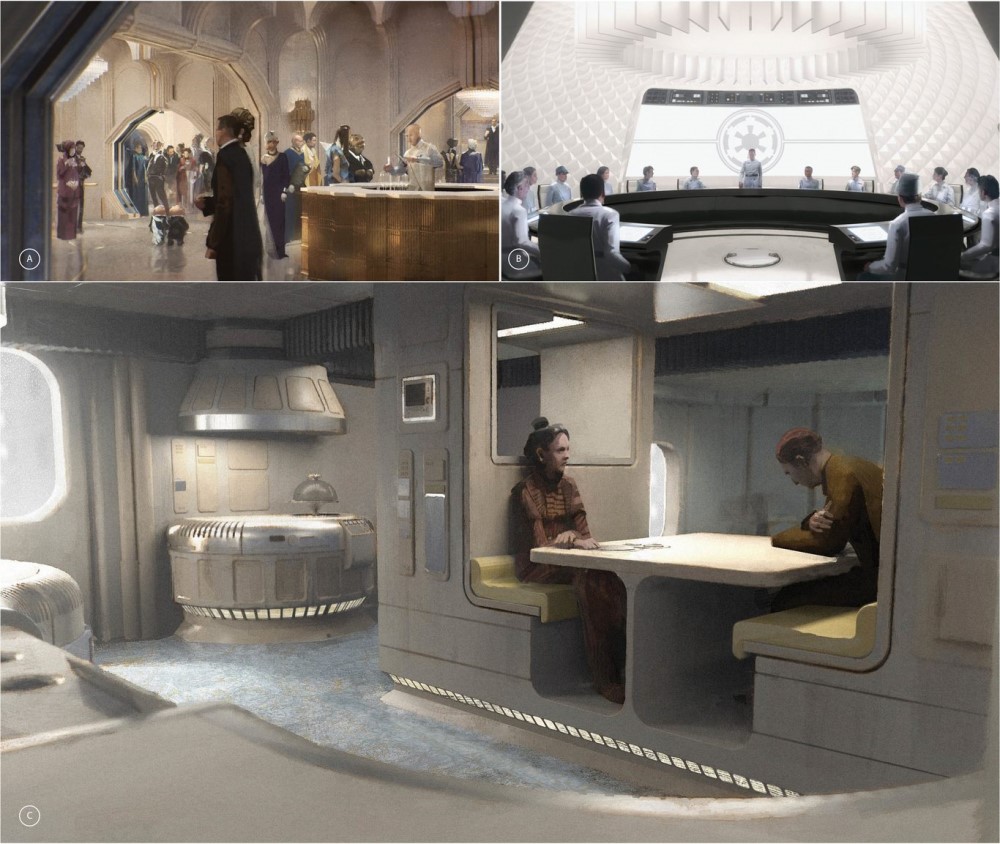
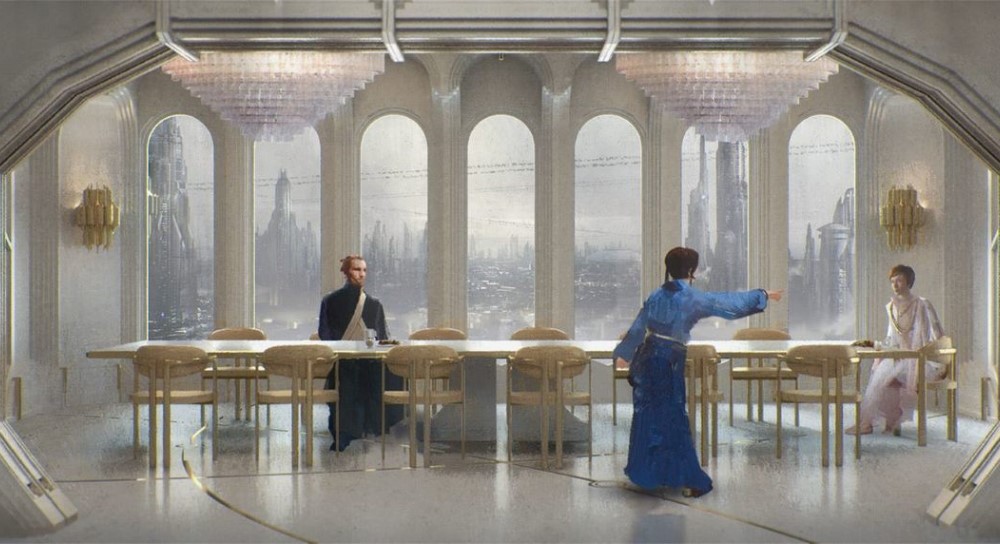
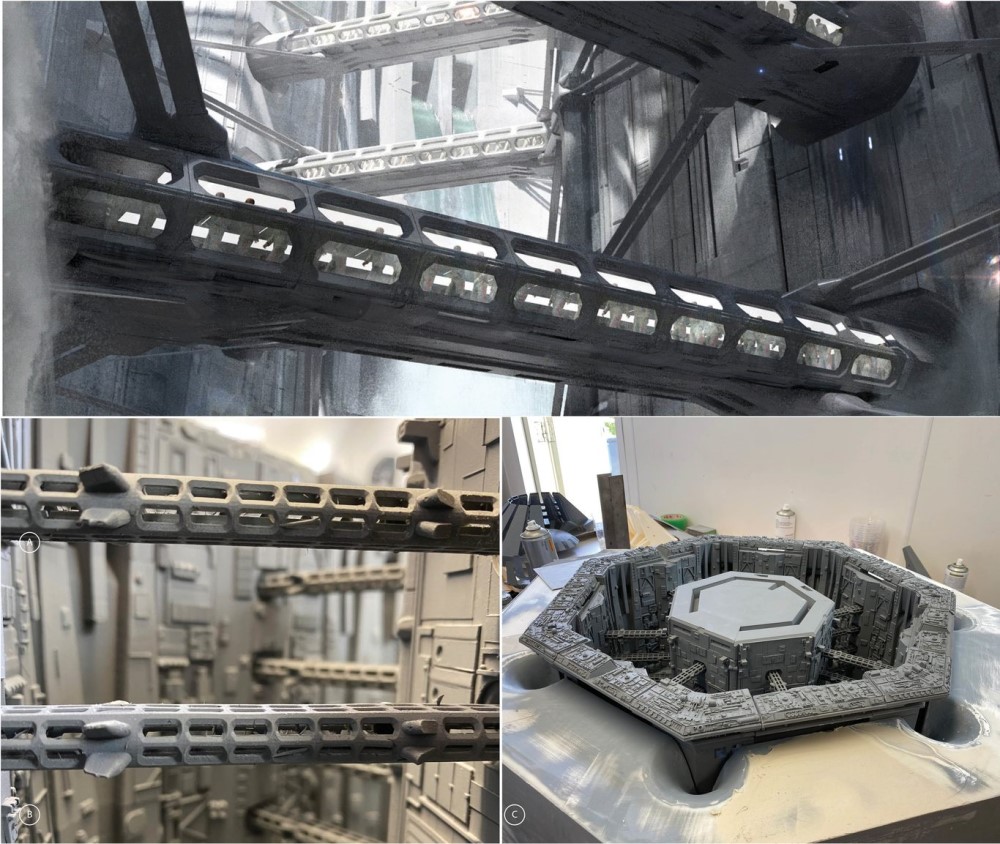
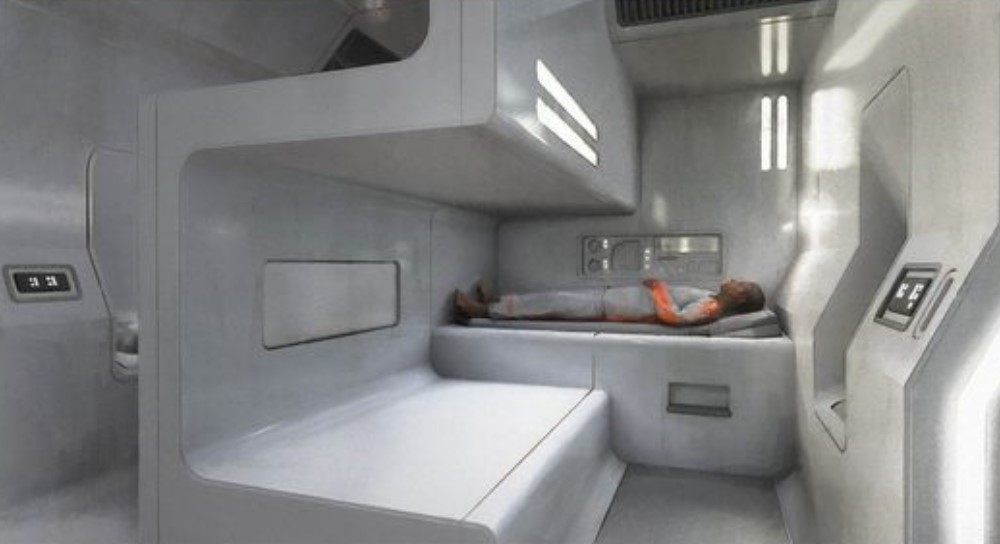
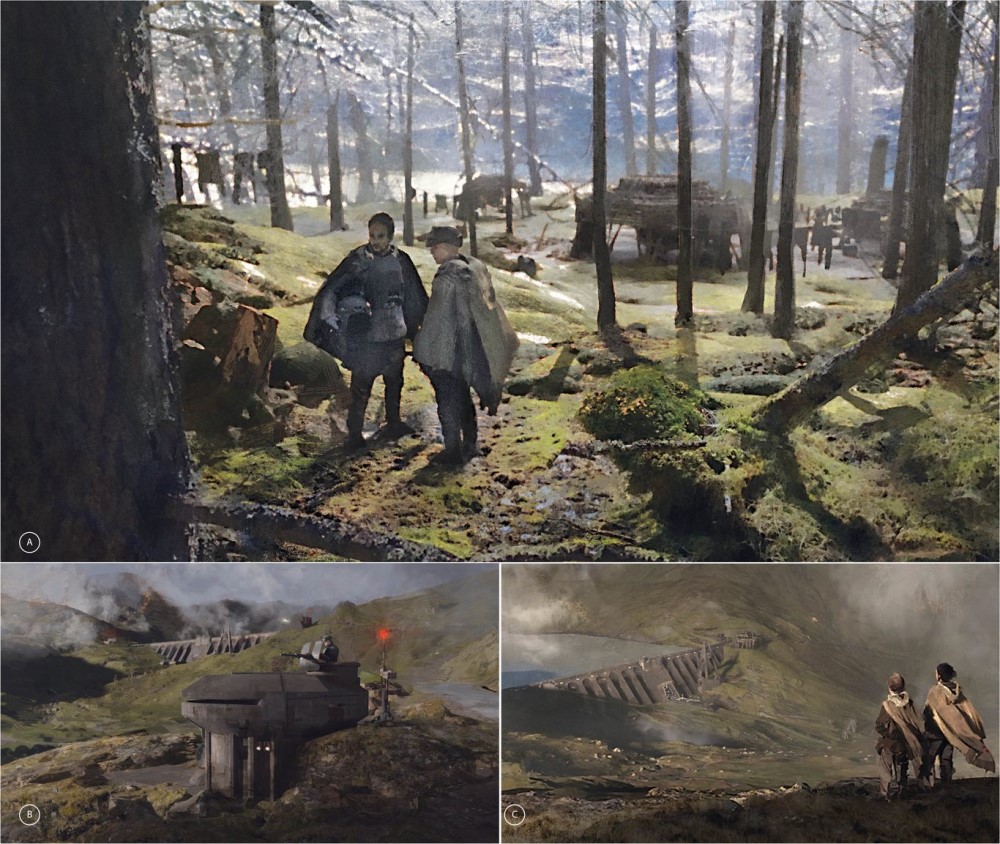
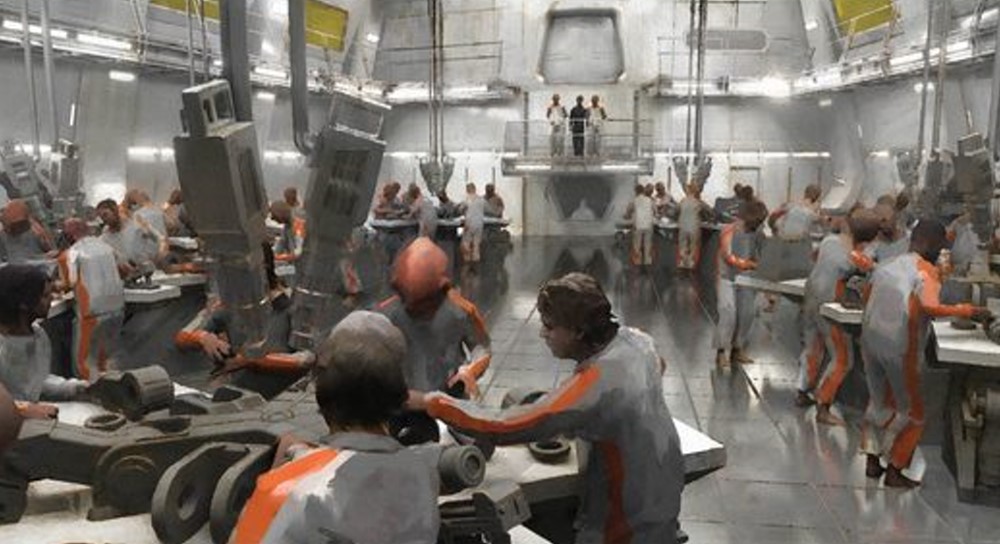
Tony, Sanne Wohlenberg (the executive producer) and I were keen from the start to try and do something a bit different with Andor. I did not want to change or obliterate the Star Wars aesthetic, but rather attempt to subvert it, play with it and reframe it, to make it work with Tony’s writing, which was much more domestic, character-led and complex. I also felt everyone knows what Star Wars looks like now, so I don’t need to focus on showing that or being sucked into that as a central concern. I wanted to make worlds that I felt could exist in this galaxy, I wanted to be able to walk through them with our characters on screen, they needed to be fleshed out and detailed. I remember being very phobic of any design that felt like we were walking into a piece of concept art like an arena to play out a scene. The Volume is an interesting tool, but Tony’s writing did not suit that approach, so the series was keen early on to build sets that offered scale through scope, and to try and use locations more.
Last year Fantha Tracks were fortunate enough to be invited onto a roundtable that included Production Designer Luke Hull, Costume Designer Michael Wilkinson, Skywalker Sounds David Acord and ILM’s T.J. Falls where we discussed their work on Andor season 1 on an episode of Making Tracks.